
We put the old proverb to the test with real science. Spoiler: apples are genuinely remarkable for your health — but Dr. Price still wants to see you. Here's what the research says.
You've heard the saying a thousand times: an apple a day keeps the doctor away. But in Prescott — where your doctor is Dr. Price — we had to ask: does the old proverb actually hold up?
We dug into the research. The answer is more interesting than you'd expect. Apples are genuinely one of the most impressive foods on the planet for heart health, brain function, cancer prevention, and gut health. The science is surprisingly strong.
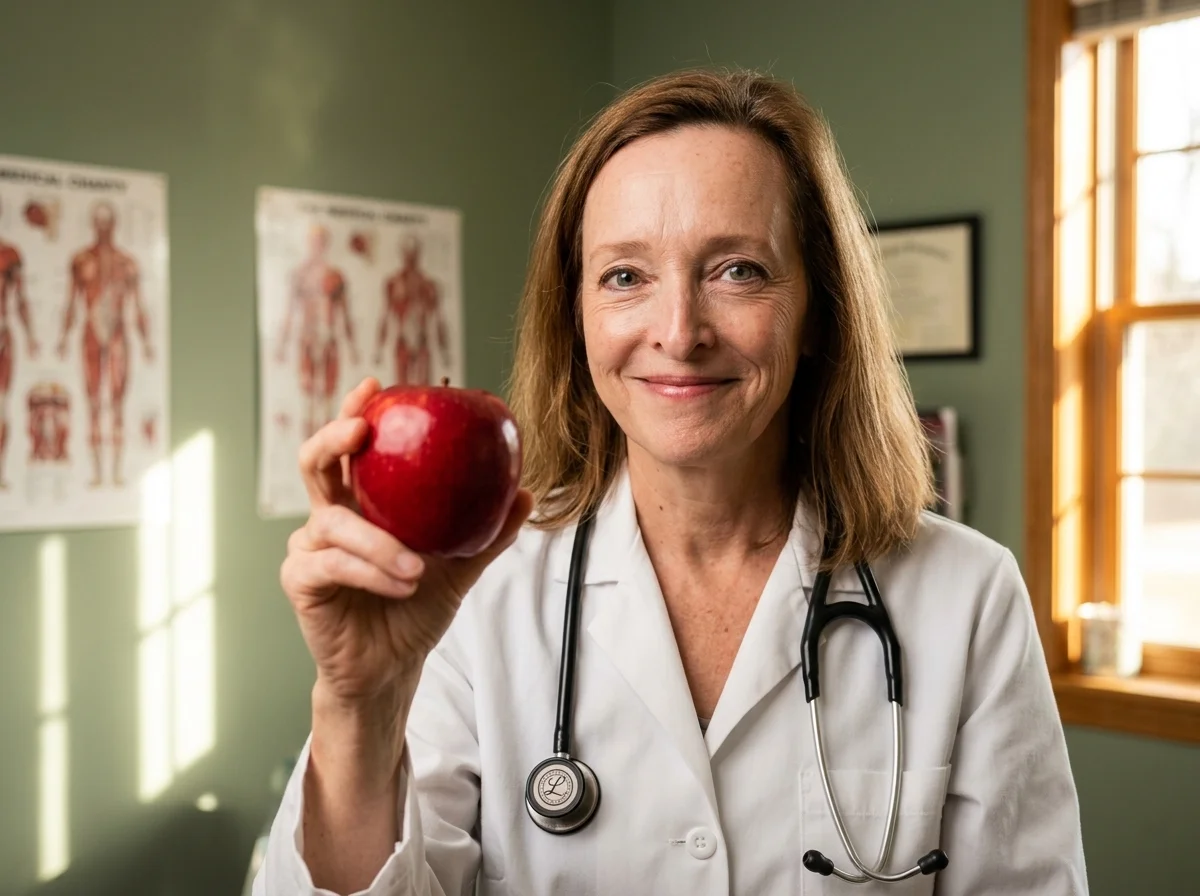
But — and Dr. Price wants you to hear this part — they're not a substitute for seeing your physician. Think of it this way: apples are great medicine, but they work best alongside the kind of personalized care you can only get from a doctor who knows you.
Let's look at what the science actually says.

Did Anyone Actually Test the "Apple a Day" Proverb?
Yes — and it was published in one of the most prestigious medical journals in the world. A JAMA Internal Medicine study (2015) tracked 8,399 U.S. adults and compared daily apple eaters (about 9% of the sample) to everyone else.
The result? After adjusting for demographics and health behaviors, apple eaters were not significantly less likely to visit the doctor. So technically, the proverb doesn't hold up — sorry, Prescott.
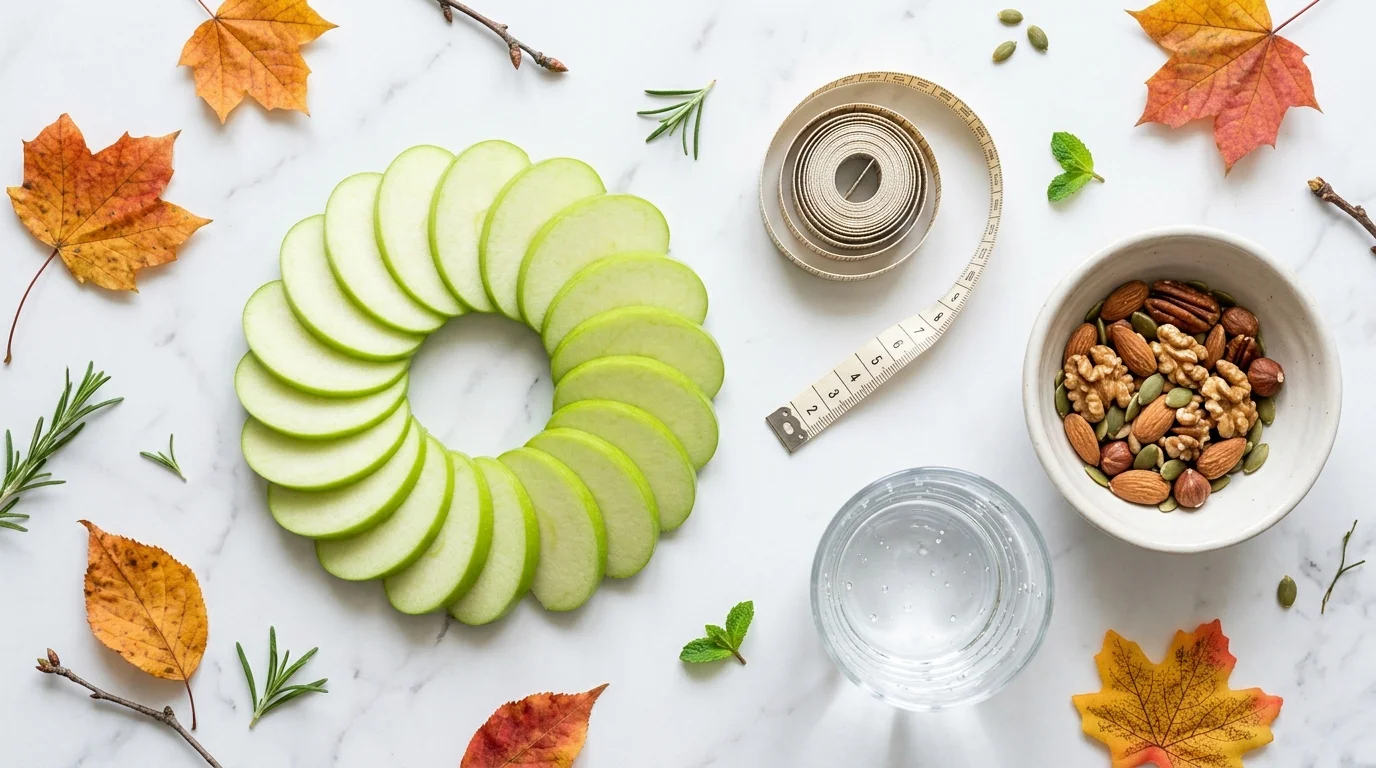
But here's the twist: apple eaters were 27% more likely to avoid prescription medications. That's not nothing. It suggests that while apples won't keep you out of Dr. Price's office, they might help keep you off the pharmacy counter — which most of us would consider a win.
What Do Apples Actually Do for Your Heart?
This is where the science gets impressive. A comprehensive review published in Critical Reviews in Food Science and Nutrition found that eating 100-150 grams of whole apple per day (about one medium apple) is associated with lower blood pressure, reduced total cholesterol and LDL cholesterol, decreased inflammation, and improved blood vessel function.
A separate meta-analysis of 18 randomized controlled trials (Frontiers in Nutrition, 2022) confirmed it: apple consumption produces statistically significant reductions in total cholesterol and LDL. The biggest benefits showed up in people who already had elevated cholesterol — exactly the group that would benefit most.
In a community like Prescott, where many residents are managing cardiovascular risk factors, that daily apple isn't just a snack. It's a surprisingly effective part of a heart-health strategy.
Can an Apple a Day Lower Your Cancer Risk?
The data here is compelling. A meta-analysis published in Public Health Nutrition pooled data from multiple large studies and found that apple consumption is associated with an 11% reduction in lung cancer risk in cohort studies. In case-control studies, the reductions were even more striking: 25% for lung cancer, 34% for colorectal cancer, 21% for breast cancer, and 50% for digestive tract cancers.
Researchers attribute much of this to polyphenols — and here's a detail worth knowing: the peel is where the action is. A study in the Polish Journal of Food and Nutrition Sciences found that apple skin contains 3 to 28 times more polyphenols than the flesh. So if you've been peeling your apples, you've been throwing away the best part.
Twenty different polyphenolic compounds have been identified in apples, with quercetin glycosides being the dominant ones in the peel. These are the same compounds that show up again and again in cancer, heart, and brain research.
Do Apples Really Contain 100 Million Bacteria?
This one sounds like a trick question, but it's real. A Frontiers in Microbiology study (2019) found that a typical apple harbors approximately 100 million bacteria — and that's a good thing.
These aren't harmful bugs. They're part of the diverse microbial community that supports your gut health. The study also found that organic apples carry a more diverse and balanced bacterial community than conventional ones, with beneficial Lactobacilli showing up more often in organic samples.
On the fiber front, research published in the journal Microbiome (2024) showed that apple pectin acts as a prebiotic — feeding beneficial gut bacteria like Bifidobacterium and producing short-chain fatty acids with anti-inflammatory, gut-protective, and immune-boosting properties.
Your gut microbiome affects everything from digestion to mood to immune function. One apple delivers fiber, polyphenols, and beneficial bacteria all at once. Not bad for something that costs about a dollar.
Can Apples Help Prevent Diabetes?
Yes — and the numbers are significant. A meta-analysis of five prospective cohort studies covering 228,315 participants found that apple and pear consumption was associated with an 18% lower risk of type 2 diabetes. Each additional serving per week reduced risk by approximately 3%.
A separate BMJ study of 340,000 people across eight European countries, reported by Harvard Health, found that even small amounts helped — as little as two-thirds of a medium apple daily offered measurable protection against diabetes, with the highest fruit consumers showing 25% to 50% lower risk over a decade.
For Prescott's large retirement community, where diabetes management is a daily reality for many, this is practical, actionable information. An apple with lunch isn't a cure — but the cumulative benefit over months and years is real.
Can an Apple Actually Grow New Brain Cells?
This might be the most surprising finding in apple research. A study published in Stem Cell Reports (2021) found that compounds in apples — particularly quercetin and other polyphenols — promoted neurogenesis in laboratory studies. Neural stem cells multiplied and developed into functional neurons.
When mice received these apple-derived compounds, they showed increased generation of new neurons in the hippocampus — the brain region essential for learning and memory.
We can't draw a straight line from mice to humans yet. But given that dementia and cognitive decline are top health concerns for retirees — and that Prescott's median age is 60.3 — any food that shows neuroprotective potential deserves a spot on the counter.
So Why Can't Apples Replace Your Doctor?
Here's where the fun stops and the important part starts. Apples are genuinely excellent for you. But they can't check your blood pressure, catch early-stage cancer, adjust your medications, or notice that the mole on your back has changed shape.
A JAMA systematic review of 32 studies found that routine medical checkups improve detection and treatment of chronic conditions including hypertension and depression, increase cancer screenings and vaccinations, and improve how patients rate their own health.
The CDC puts it even more starkly: up to 80% of premature heart disease and strokes are preventable through the lifestyle modifications and screenings that happen during regular doctor visits (CDC, 2024). When preventive care visits dropped during COVID-19, new diabetes diagnoses fell to 87% of expected levels and cancer diagnoses dropped 10-13% below expected — meaning thousands of conditions went undetected.
The apple and the checkup aren't competing. They're teammates.
The Real Prescription: Apples AND Dr. Price
Here's my actual medical advice, with a smile: eat the apple. Eat it every day. Leave the peel on. Buy organic when you can. Your heart, your gut, your brain, and your blood sugar will all benefit.
And then come see me anyway.
At Prescott Professional Healthcare, we practice Direct Primary Care — which means unlimited visits, no co-pays, and direct access to your physician by phone, text, or email. So when you have a nutrition question, want to review your lab work, or just need a checkup, there's no barrier between you and the care you need.
The apple keeps you healthy. The checkup keeps you safe. Together, they're the best prescription I know.
Ready to make both part of your routine? Become a member or contact our office — and bring an apple for the waiting room.
Frequently Asked Questions
Does eating an apple a day actually keep you from visiting the doctor?
Not exactly. A JAMA Internal Medicine study of 8,399 adults found no statistically significant link between daily apple consumption and fewer doctor visits. However, apple eaters were 27% more likely to avoid prescription medications — suggesting apples contribute to overall health even if they don't replace checkups.
What are the proven health benefits of eating apples?
Research links regular apple consumption to an 18% lower risk of type 2 diabetes, significant reductions in total and LDL cholesterol, a lower risk of several cancers (including a 25% reduction in lung cancer), improved gut health through prebiotic fiber, and even the stimulation of new brain cell growth through quercetin and other polyphenols.
Should I eat the apple peel or remove it?
Eat the peel. Studies show apple skin contains 3 to 28 times more polyphenols than the flesh, including quercetin glycosides — the same compounds linked to heart protection and neurogenesis. Washing the apple thoroughly is recommended, but peeling it removes the most beneficial part.
How often should I see my doctor for a checkup?
Most adults should have an annual wellness visit. A JAMA systematic review found routine checkups improve detection of hypertension, depression, and early-stage cancers, and increase vaccination rates. The CDC estimates up to 80% of premature heart disease is preventable through the lifestyle adjustments and screenings that happen during regular visits.
Why is Direct Primary Care better for preventive health?
With DPC, you have unlimited visits and direct access to Dr. Price — so checkups aren't limited to once a year. You can discuss nutrition, get lab work reviewed the same day, and address small concerns before they become big ones. There are no co-pays or per-visit charges, which removes the cost barrier that keeps many people from seeing their doctor regularly.