Health & Wellness
Blog
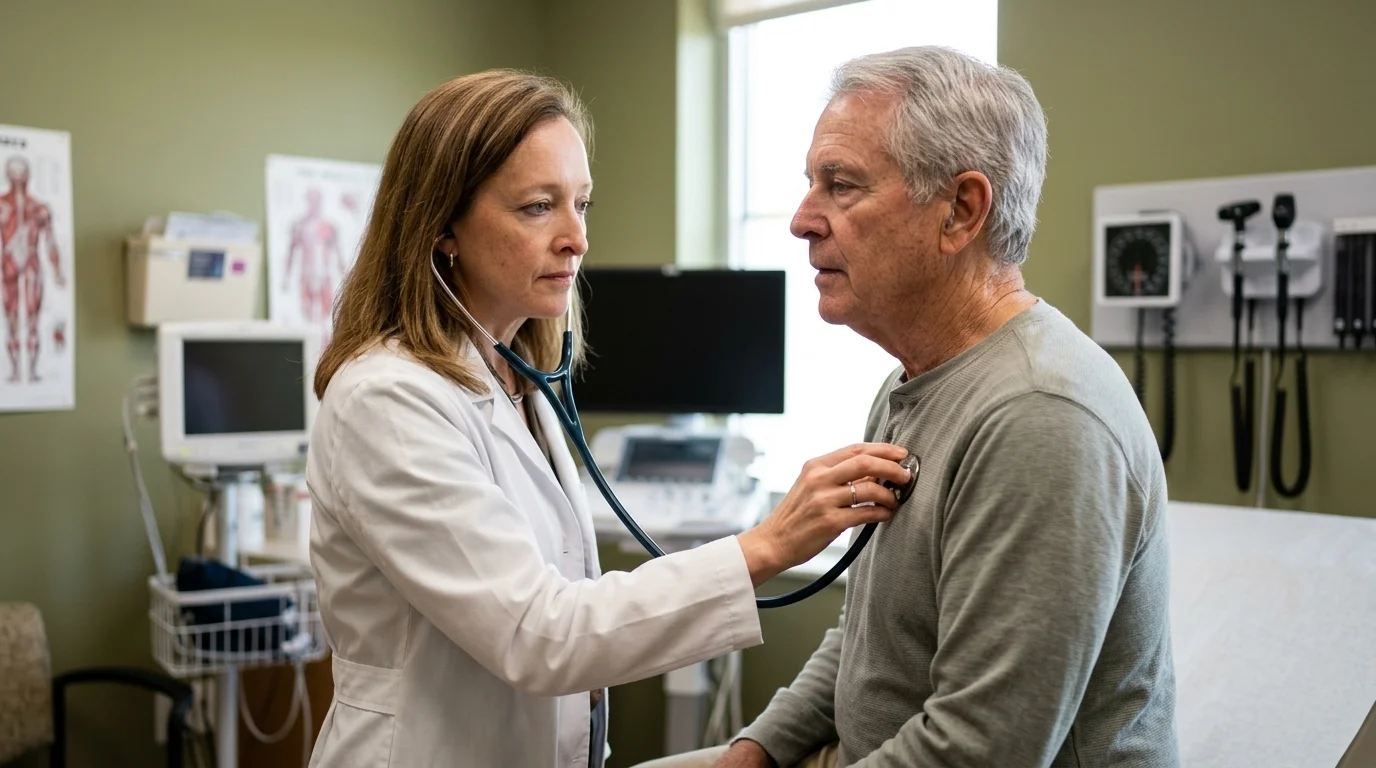
Why Dr. Price Left Corporate Medicine to Start Prescott Professional Healthcare
In a wide-ranging interview on the Life's Best Medicine podcast, Dr. Price sat down with longtime friend and physician Dr. Brian Lenzkes to talk about why she walked away from corporate medicine, what Direct Primary Care actually looks like in practice, and the partnership that's now growing at our Prescott office.
Read more →
Can Prescott Residents Really Eat an Apple a Day to Keep Dr. Price Away?
We put the old proverb to the test with real science. Spoiler: apples are genuinely remarkable for your health — but Dr. Price still wants to see you. Here's what the research says.
Read more →
Meet Jennifer: The Heart Behind Prescott Professional Healthcare
Jennifer Carter is the nurse, the operations director, and often the first voice you'll hear when you call our office. With 20+ years of medical experience and a working ranch in Kirkland, here's the story of the woman who keeps our DPC practice running.
Read more →
Can You Have Direct Primary Care and Insurance? How to Pair Them Properly
You can pair DPC with insurance, but the wrapper you pick decides whether it works. Inside: the $150 HSA cliff, why bronze can cost more than silver, and who should skip DPC entirely.
Read more →
Medicare Open Enrollment: A Prescott Retiree's Checklist
Medicare Open Enrollment for 2027 runs October 15 to December 7. A Prescott physician's plain checklist: the dates, the Medigap trap Arizona law does not protect you from, and free local help.
Read more →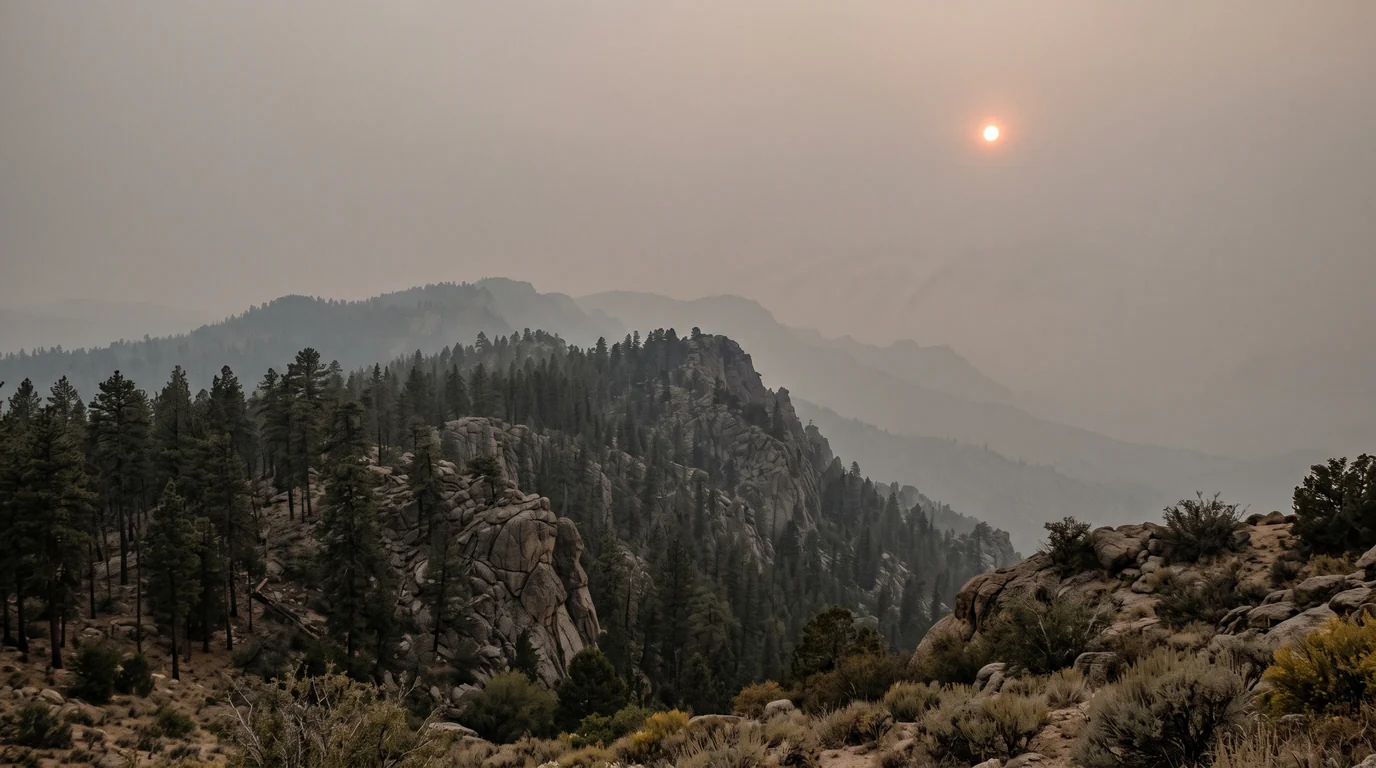
Wildfire Smoke in Yavapai County: Who's Most at Risk and What Actually Helps
Fit beats filter rating. On real faces, N95s outperformed KN95s roughly 27-fold in quantitative fit testing. What that means for Yavapai County smoke days, plus AQI, indoor air and who's at risk.
Read more →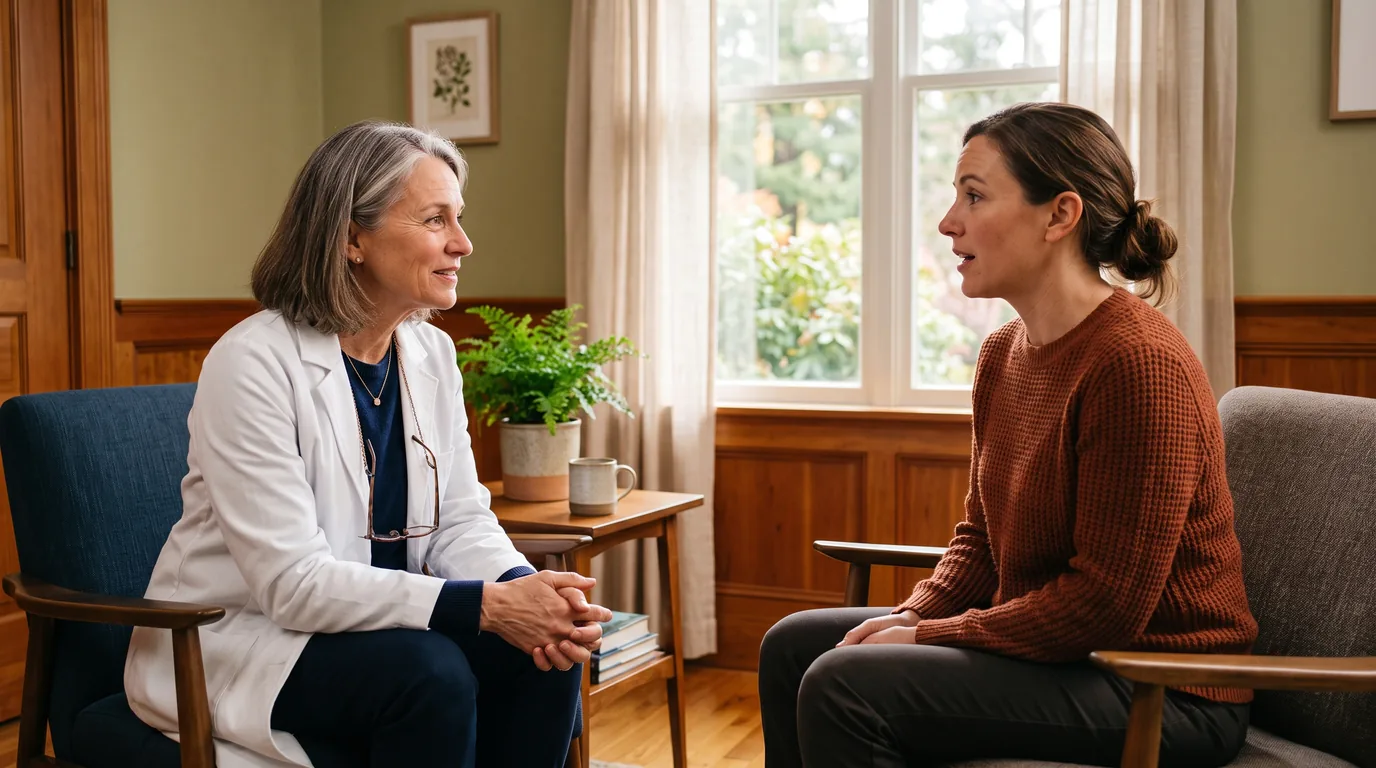
Concierge Medicine vs. Direct Primary Care vs. Traditional Insurance: A Plain-English Comparison
Concierge medicine is not one thing. Three retainer models exist, and they differ on a single axis: does the practice bill your insurer? An honest comparison from a DPC physician.
Read more →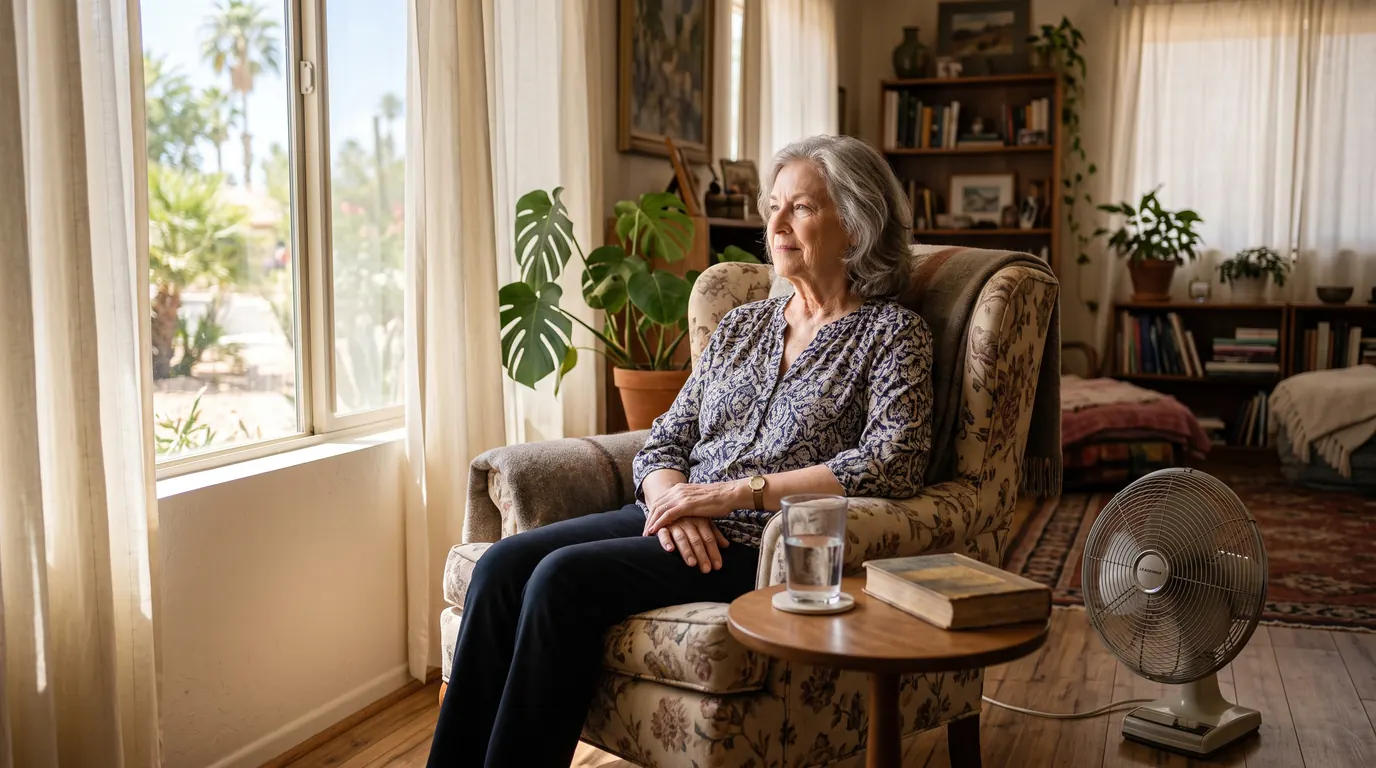
Why 90 Degrees Hits Different After 65: Heat Risk for Prescott Seniors
Prescott's heat lives in the 90s, not the 100s. Here's how common prescriptions quietly impair your body's ability to shed heat after 65, and the one sign that means call 911.
Read more →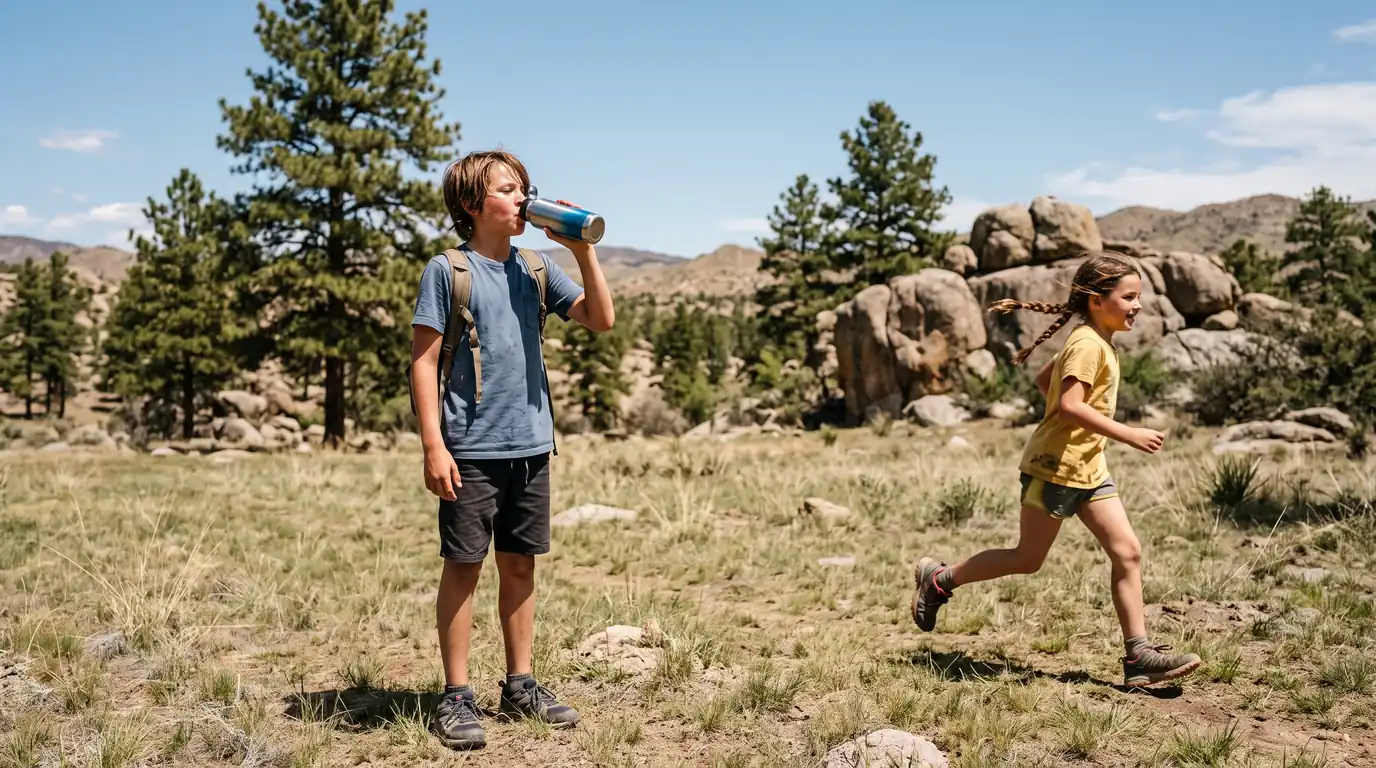
Heat and Kids: The Warning Signs Prescott Parents Miss
The idea that kids can't cool themselves like adults is outdated, and believing it makes parents watch the wrong thing. Here's what Arizona's ER data shows, and the four signs most often misread.
Read more →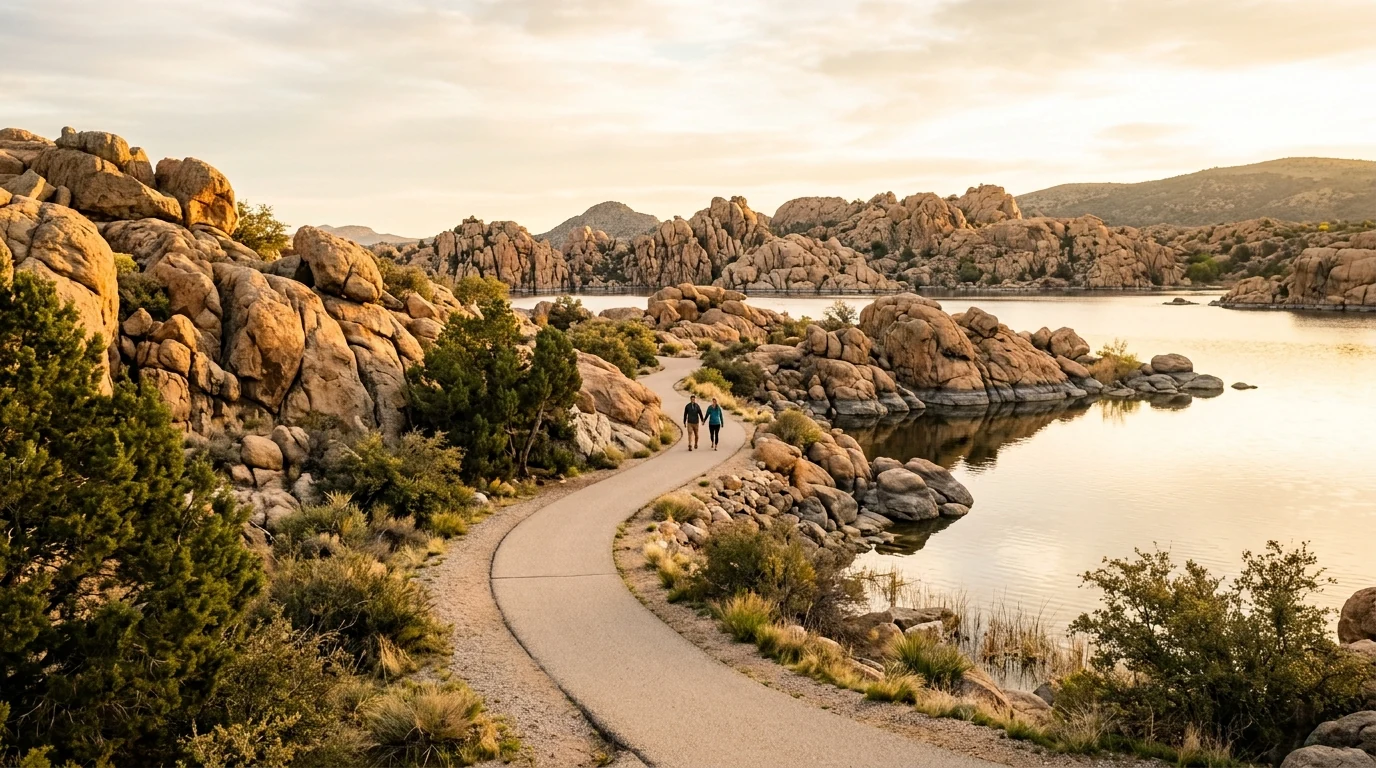
Dr. Price's Favorite Prescott Trails for Every Fitness Level
Prescott has over 250 miles of trails within a 25-mile radius — but not all of them are right for every body. Dr. Price's personal guide to trails for beginners, intermediate hikers, and trail veterans, with the medical reasons each one earns its spot.
Read more →
Fall Flu Season in Prescott: What's Different This Year
The 2025-2026 flu season is one of the most severe in years, with a drifted H3N2 strain, lower vaccine effectiveness, and a hospitalization rate in seniors over 100x higher than younger adults. Here's what Prescott residents need to know about flu, COVID, RSV, and when to call your doctor.
Read more →
How Do Prescott's Seasons Affect Your Arthritis? A Season-by-Season Guide
With 54% of adults over 75 living with arthritis, Prescott's monsoon pressure drops and winter cold mornings create seasonal pain patterns. Here's research-backed guidance for managing joint pain through all four Arizona seasons.
Read more →
The Surprising Health Benefits of Gardening at 5,400 Feet
Gardeners have 28% lower odds of cognitive decline and significantly fewer falls than non-exercisers. At Prescott's altitude with 277 sunny days, your backyard garden might be the best medicine you're not taking.
Read more →
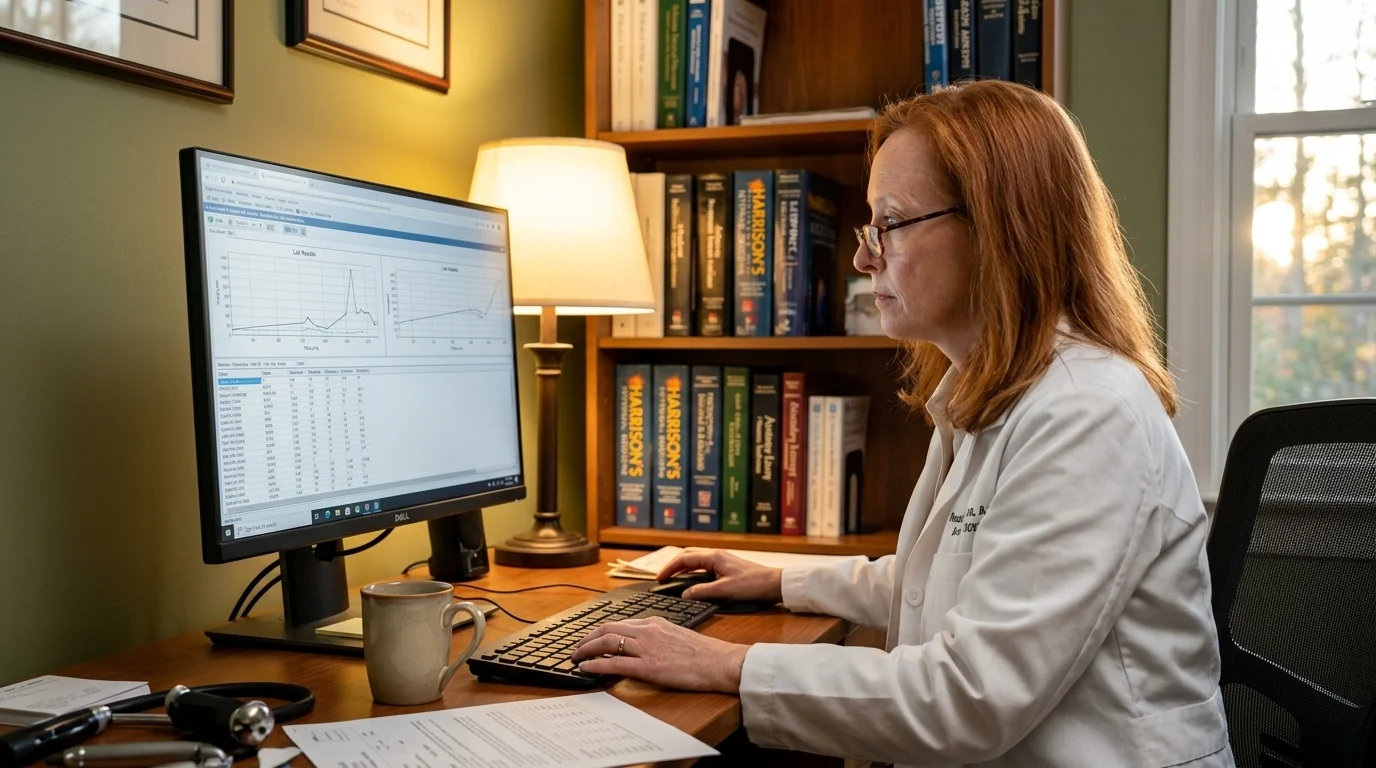
Understanding Your Lab Results: What Those Numbers Actually Mean
When your annual physical results come back with a list of acronyms and numbers, what's actually important? Here's a plain-English guide to CBC, CMP, lipids, A1C, TSH, vitamin D, kidney function, and the 2026 lipid guideline updates that may have changed your targets.
Read more →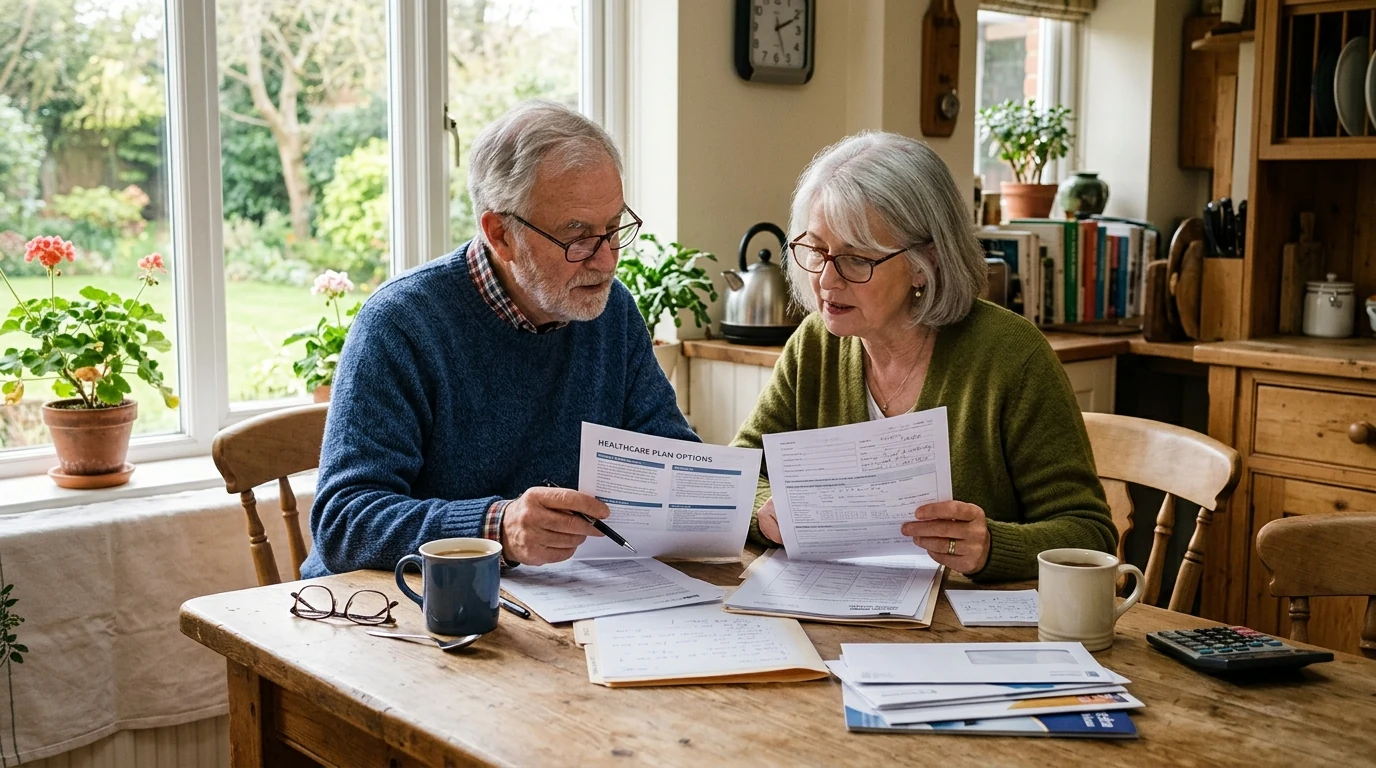
DPC and Medicare: What Prescott Retirees Need to Know
Medicare beneficiaries spend an average of $6,330 out of pocket annually — 39% of Social Security income. Here's how Direct Primary Care works alongside Medicare to give Prescott retirees better access, longer visits, and predictable costs.
Read more →
How Much Does Healthcare Really Cost Without Insurance? The DPC Alternative
100 million Americans carry medical debt. A basic blood panel costs $200-400 through insurance billing — or under $20 at wholesale through DPC. Here's the real math behind healthcare costs and a transparent alternative.
Read more →
Why Staying Hydrated in Prescott Matters More Than You Think
At 5,400 feet with humidity below 40%, Prescott residents lose up to 1 extra liter of water daily through breathing alone. With 17-28% of older adults already chronically dehydrated, here's what the science says about hydration at altitude.
Read more →
Summer Hiking Safety: What Every Prescott Trail User Should Know
Maricopa County recorded 608 heat deaths in 2024 — nearly 60% in adults 50+. Yavapai County's heat-related ED visits hit a five-year high. Here's how Prescott hikers can stay safe through heat, dehydration, snakes, monsoon storms, and altitude.
Read more →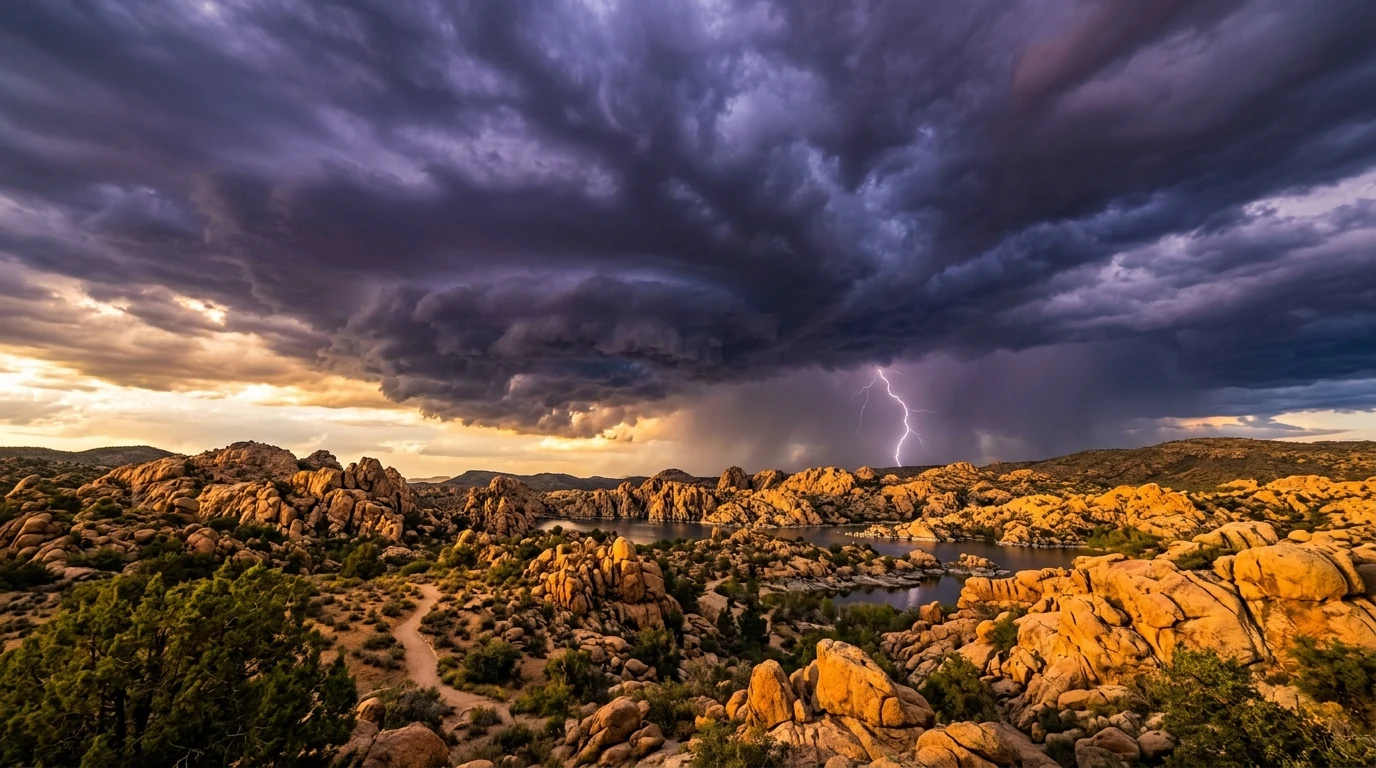
Preparing for Monsoon Season: Health Tips Every Prescott Resident Needs
Valley Fever cases in Prescott's region surged 561% over 17 years. Monsoon mold spores spike 7x after rain. Flash floods kill more people than any other weather event. Here's how to stay safe and healthy through Arizona's wildest season.
Read more →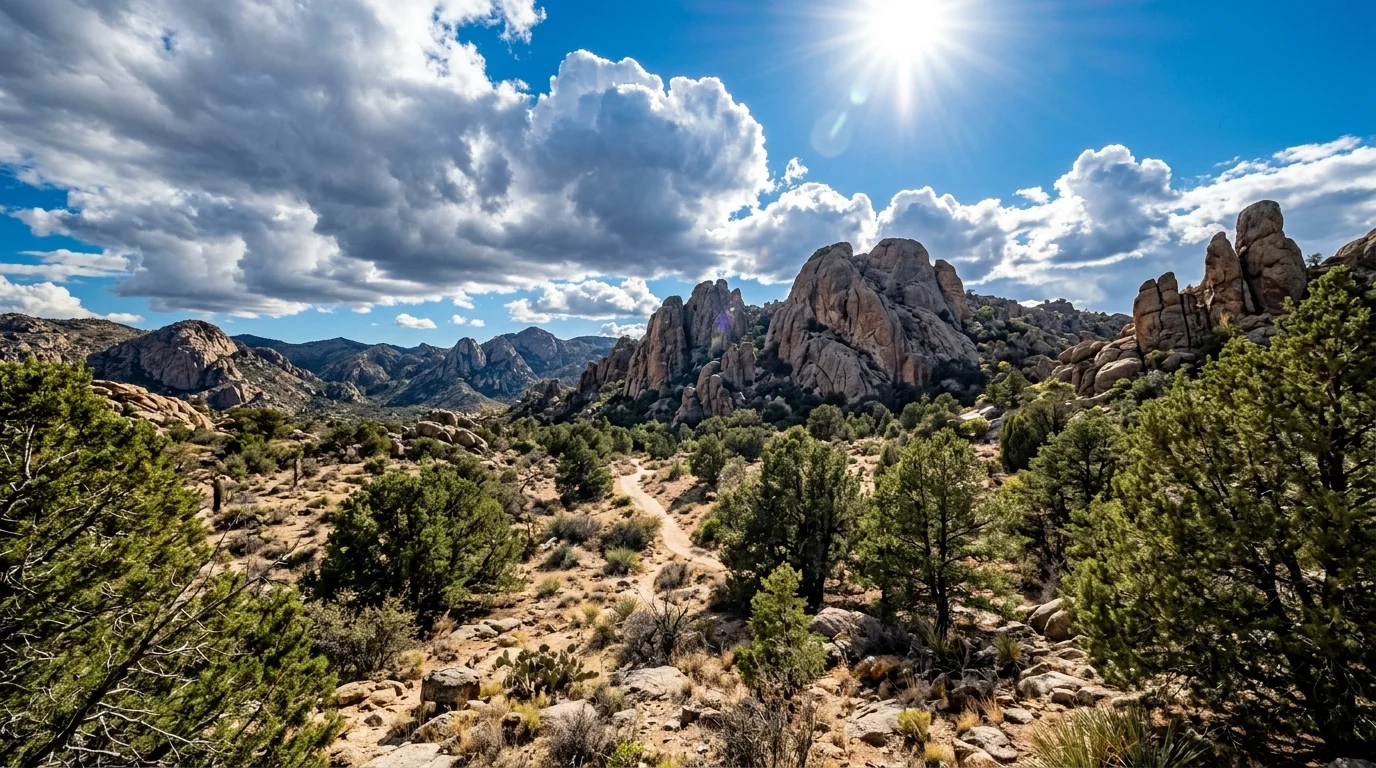
5 Ways Prescott's High Desert Climate Affects Your Health (And What to Do About It)
Living at 5,400 feet in Arizona's high desert comes with unique health considerations — from intense UV exposure to dry air that dehydrates you faster than you realize. Here's what every Prescott resident should know.
Read more →
What Happens at Your First Direct Primary Care Visit? A Step-by-Step Guide
Your first DPC visit will last 30-60 minutes — not the 15-minute rush of traditional care. With a panel of ~413 patients instead of 2,000+, here's exactly what to expect when you walk through our door.
Read more →
Why Your 7-Minute Doctor Visit Isn't Enough
Doctors interrupt patients after 11 seconds. Visits cover 6 topics in 16 minutes. And 49% of clinical questions go unanswered due to time pressure. Here's what rushed medicine costs you — and what the alternative looks like.
Read more →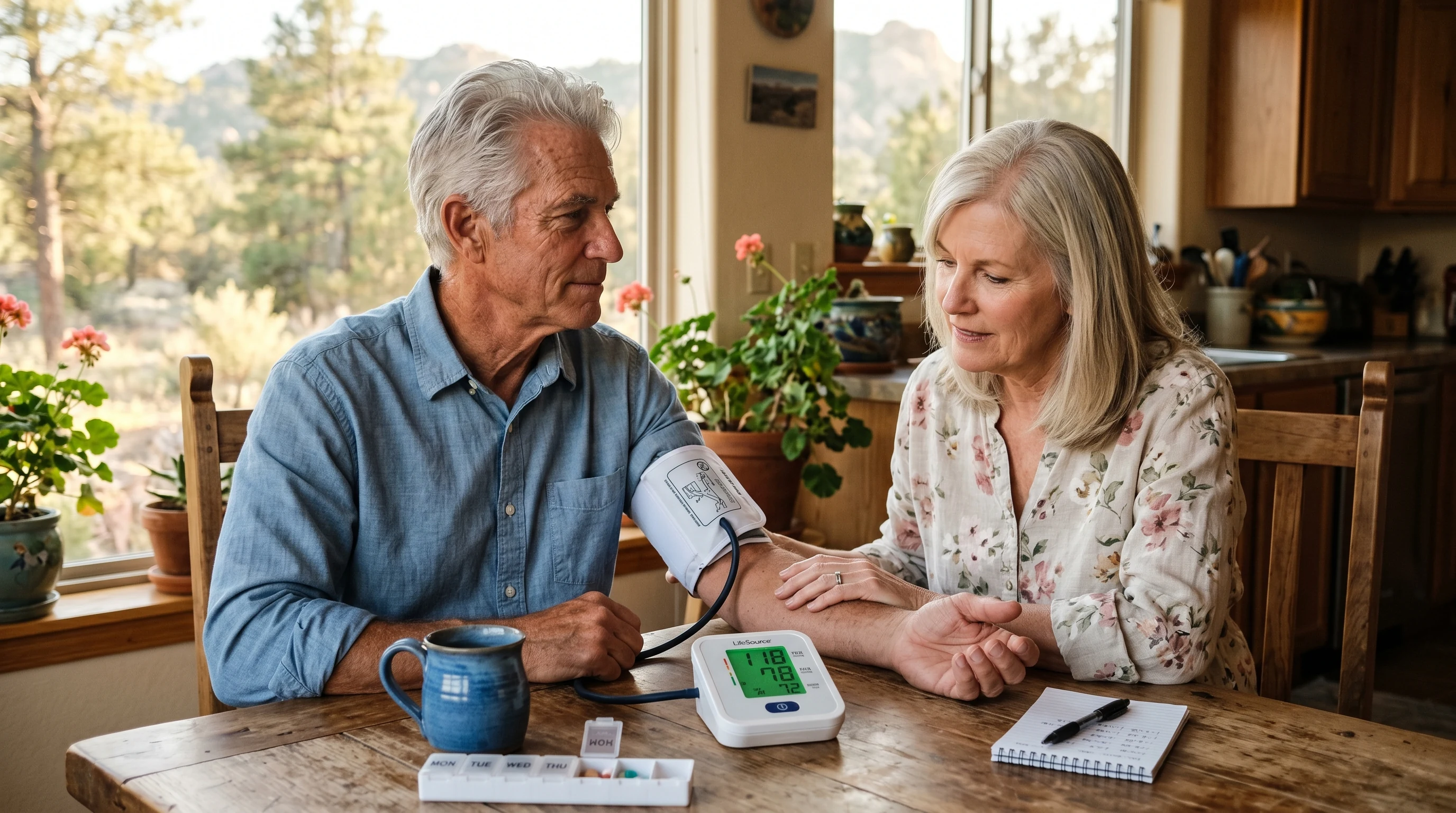
Blood Pressure and Altitude: What Prescott Residents Should Know
At 5,400 feet, Prescott qualifies as moderate altitude — and that affects your blood pressure. Healthy adults see daytime systolic pressure rise about 5 mmHg; hypertensive patients can see 8-11 mmHg increases. Here's what the research shows and how to manage BP at altitude.
Read more →
Managing Type 2 Diabetes in Retirement: A Practical Guide
28.8% of Americans 65+ have diabetes — the highest rate of any age group. Another 52% have prediabetes. The 2026 ADA guidelines, GLP-1 medications, and continuous glucose monitors have transformed care. Here's how to actually manage Type 2 diabetes in retirement.
Read more →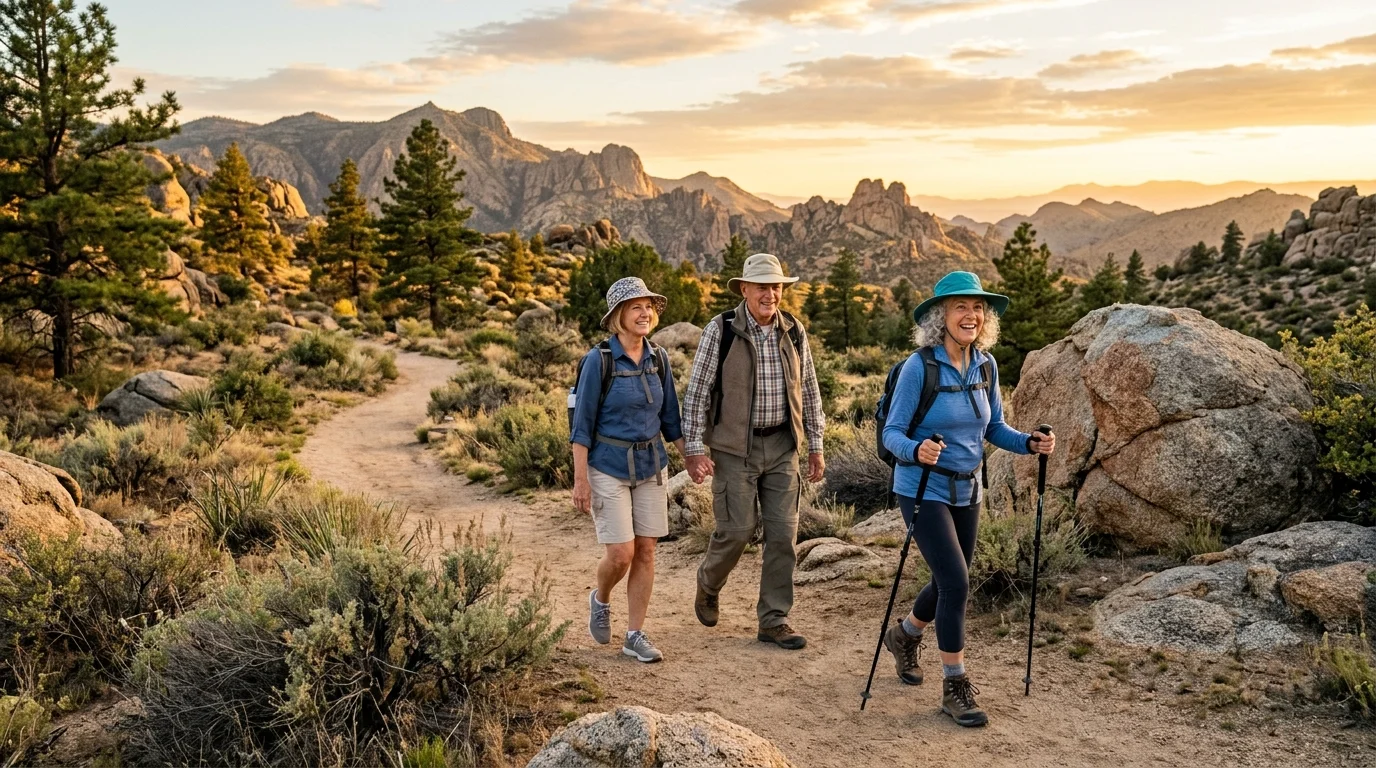
Why Low-Impact Exercise Is the Best Medicine for Prescott Retirees
With 40% of Prescott residents over 65, staying active matters more than ever. Here are five gentle exercises that can reduce your fall risk, protect your joints, and add years to your life — all right here in the Prescott area.
Read more →