
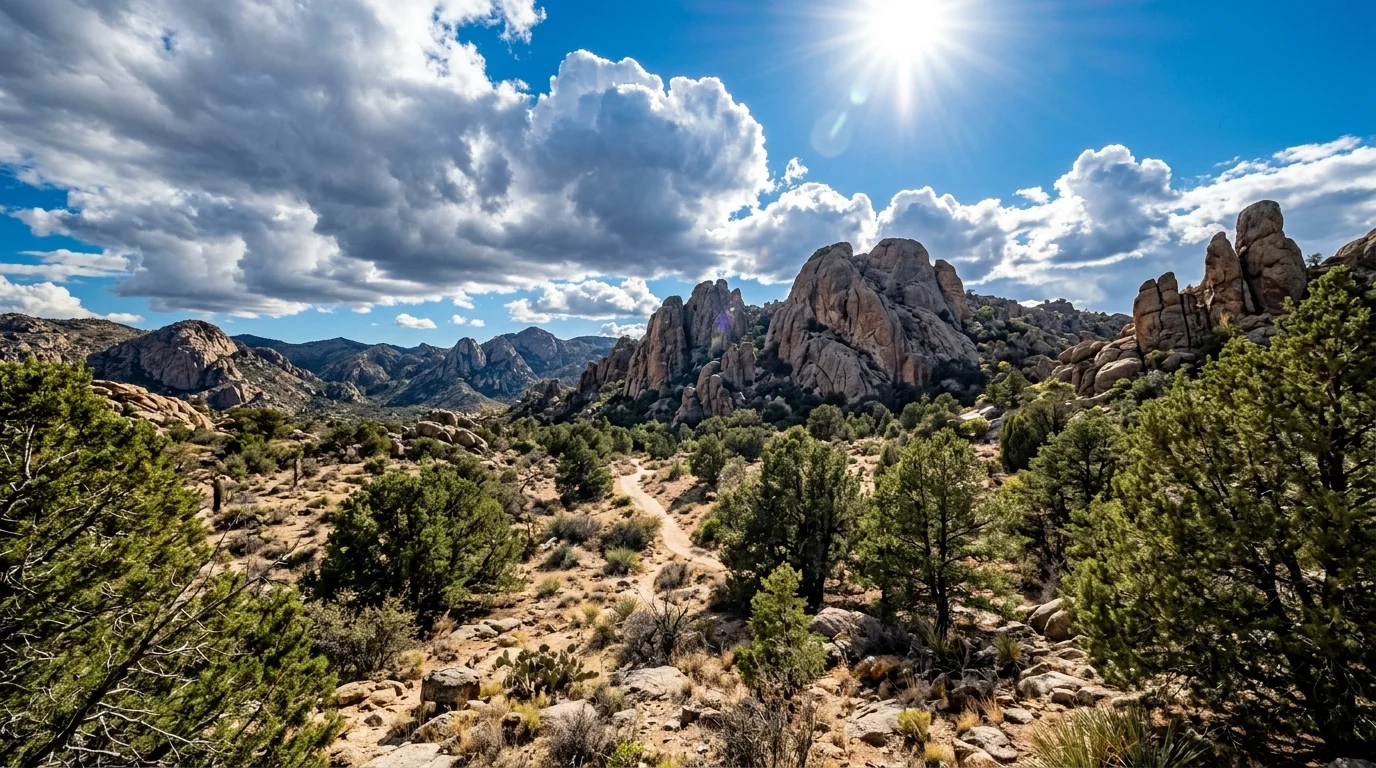
Living at 5,400 feet in Arizona's high desert comes with unique health considerations — from intense UV exposure to dry air that dehydrates you faster than you realize. Here's what every Prescott resident should know.
Prescott's high desert climate is one of the main reasons people move here — and with good reason. Mild summers, actual seasons, and over 270 days of sunshine a year make it one of the most livable climates in the Southwest.
But that same climate comes with health considerations that many residents — especially newcomers — don't think about. After caring for patients in this community since 2015, I see the same patterns come through my office year after year.
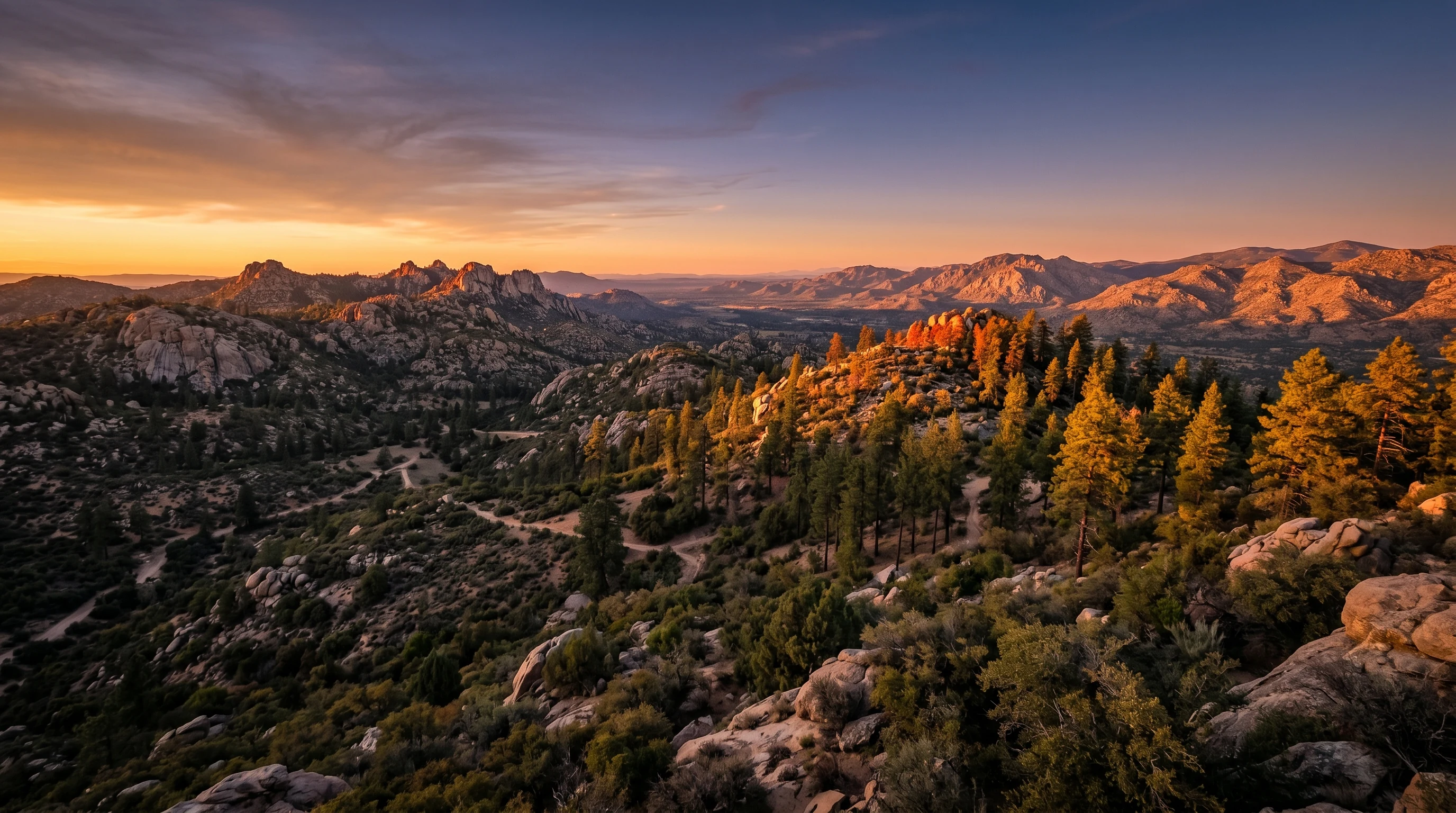
Here are five ways Prescott's climate affects your health, and what you can do about each one.
UV Radiation Is Significantly Stronger at Altitude
At 5,400 feet, Prescott sits nearly a mile above sea level. UV radiation increases approximately 4-5% for every 1,000 feet of elevation gain. That means you're getting roughly 25% more UV exposure here than someone at sea level — even on a cloudy day.
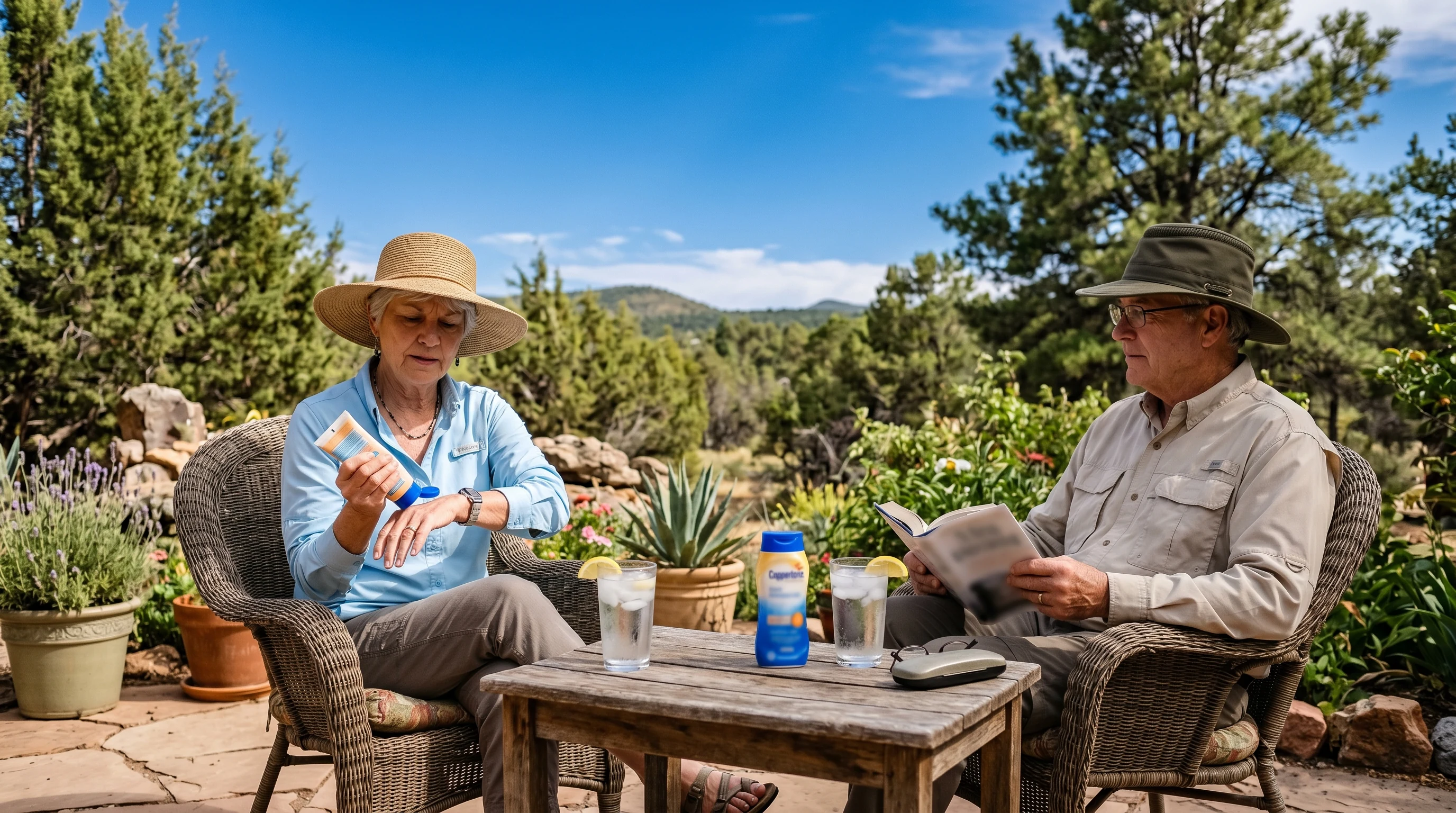
The thin, dry atmosphere at altitude filters less UV radiation than the thicker, more humid air at lower elevations. Combined with Prescott's 270+ sunny days per year, your cumulative sun exposure adds up fast.
What to do: Wear broad-spectrum SPF 30+ sunscreen daily — not just when hiking. A wide-brimmed hat and UV-protective sunglasses are essentials, not accessories. Schedule an annual skin check with your doctor, especially if you have a history of sunburns or fair skin.
Dry Air Dehydrates You Faster Than You Realize
Prescott's average humidity hovers around 30-40% — significantly lower than most of the country. In winter, indoor heating drops it even further. This dry air pulls moisture from your skin, nasal passages, lungs, and eyes without you feeling traditionally "thirsty."
Dehydration at altitude is sneaky. You lose more water through respiration because dry air requires your lungs to humidify each breath. Many patients come in with headaches, fatigue, or dizziness that turn out to be simple dehydration.
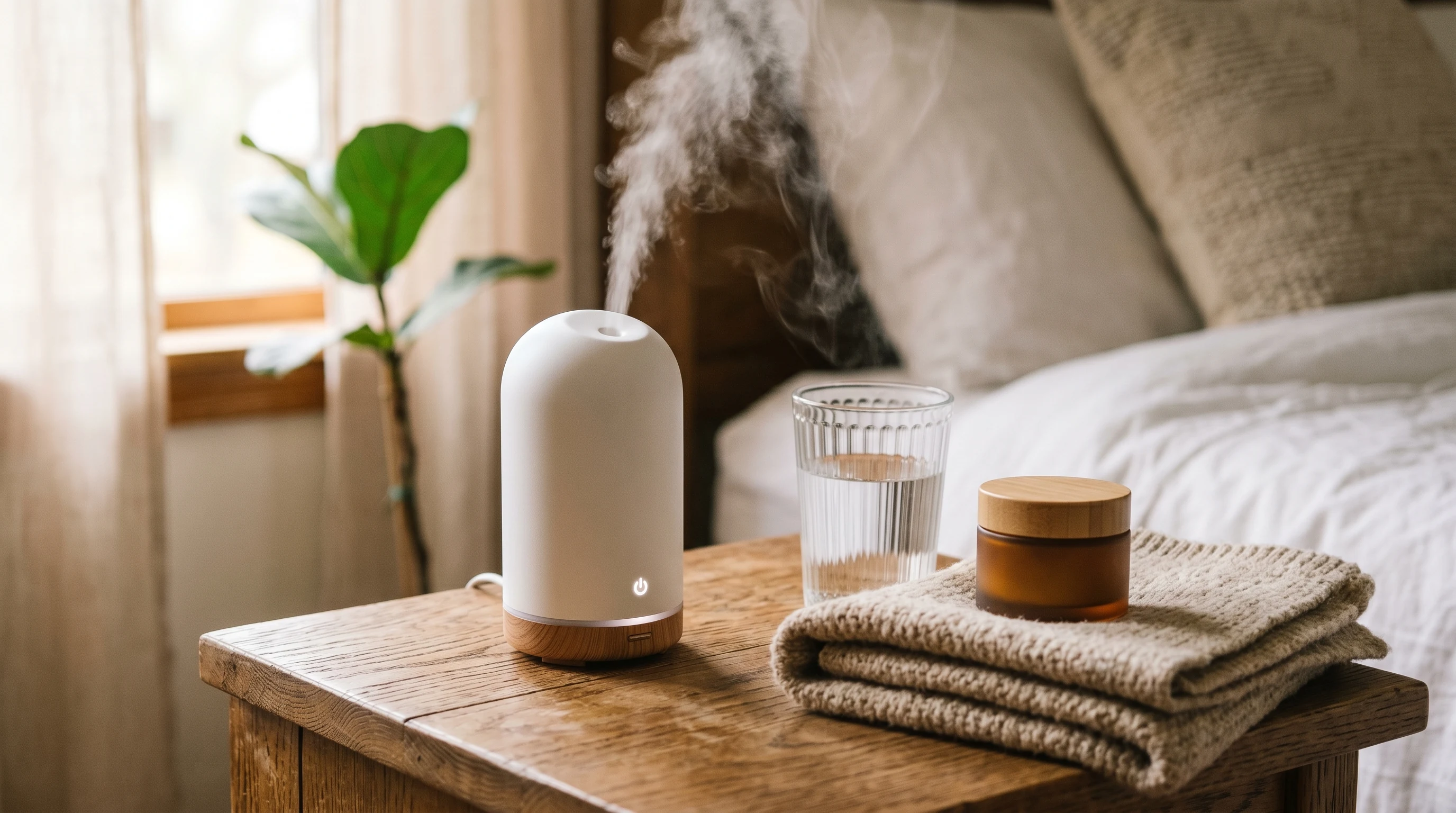
What to do: Drink water throughout the day — don't wait until you're thirsty. A good baseline is half your body weight in ounces. Keep a humidifier running in your bedroom during winter. Use a saline nasal spray if you experience frequent nosebleeds or sinus dryness.
Altitude Affects Breathing and Oxygen Levels
The air at 5,400 feet contains about 17% less oxygen than at sea level. Most healthy people adapt within a few days of arriving, but for those with chronic lung conditions like COPD, asthma, or pulmonary fibrosis, the reduced oxygen can be noticeable.
Even without a lung condition, you may notice you get winded faster during exercise than you did at lower elevations. This is normal — your body needs time to increase its red blood cell production to compensate.
What to do: If you're new to Prescott, ease into physical activity for the first few weeks. If you have a chronic lung condition, talk with your doctor about whether your oxygen supplementation needs adjustment. And don't ignore persistent shortness of breath — that's always worth a conversation.
Temperature Swings Can Stress Your Body
Prescott is famous for its 30-degree daily temperature swings. A morning that starts at 45°F can hit 80°F by afternoon. These rapid changes stress your cardiovascular system as blood vessels expand and contract to regulate body temperature.
For people with heart conditions, hypertension, or Raynaud's syndrome, these swings can trigger symptoms. Joint pain from arthritis also tends to flare during rapid barometric pressure changes — which happen frequently during monsoon season.
What to do: Dress in layers. Check the forecast before morning walks. If you take blood pressure medication, monitor your readings during seasonal transitions — your dosage may need adjustment as temperatures shift. And keep your doctor informed about any new symptoms that correlate with weather changes.
Allergens Are Different Here — and Potent
If you moved to Prescott thinking you'd escape allergies, you may have been surprised. Juniper pollen is the primary culprit, peaking in February and March. Mold spores spike during monsoon season (July-September). And the dry, windy conditions common in spring can stir up dust and other particulates.
Many patients who never had allergies before moving to Prescott develop them within the first year or two as their immune system encounters unfamiliar pollens.
What to do: Track local pollen counts (weather apps make this easy). Keep windows closed during high-pollen days. Shower after spending time outdoors during peak pollen season. If over-the-counter antihistamines aren't cutting it, come see us — we can help develop a more targeted approach.
The Bottom Line: Prescott Is Great for Health — With Awareness
None of this should scare you away from the outdoor lifestyle that makes Prescott special. The climate here is genuinely healthy — clean air, moderate temperatures, and access to nature that most cities can't match.
But awareness matters. Understanding how altitude, UV, dry air, temperature swings, and local allergens affect your body allows you to stay ahead of problems rather than reacting to them.
At Prescott Professional Healthcare, we see these climate-related health patterns every day. As a Direct Primary Care practice, we offer unlimited visits and same-day appointments — so when something feels off, you don't have to wait weeks to get it checked. Give us a call or become a member to get started.
Frequently Asked Questions
Does altitude affect blood pressure?
Yes. At higher elevations, reduced oxygen can cause a temporary increase in blood pressure and heart rate as your body compensates. Most people adapt within a few weeks, but those with existing hypertension should monitor their readings after moving to Prescott and consult their physician about medication adjustments.
Why do I get nosebleeds in Prescott?
Prescott's low humidity (30-40%) dries out the nasal membranes, making them more prone to cracking and bleeding. Using a saline nasal spray daily, running a humidifier at night, and staying hydrated can significantly reduce nosebleeds.
Is Prescott a good climate for people with arthritis?
Generally yes — Prescott's mild temperatures are easier on joints than extreme heat or cold. However, rapid barometric pressure changes during monsoon season can trigger arthritis flares. Staying active and maintaining a consistent exercise routine helps manage symptoms year-round.
How much more sunscreen do I need at altitude?
At 5,400 feet, UV radiation is about 25% stronger than at sea level. Dermatologists recommend SPF 30+ applied every 2 hours when outdoors — even on cloudy days. A hat and UV-protective sunglasses add important additional protection.
When is allergy season worst in Prescott?
Juniper pollen peaks in February-March and is the most common allergen. Monsoon season (July-September) brings increased mold spores. Spring winds stir up dust and particulates. Tracking local pollen counts and keeping windows closed on high-pollen days helps manage symptoms.