
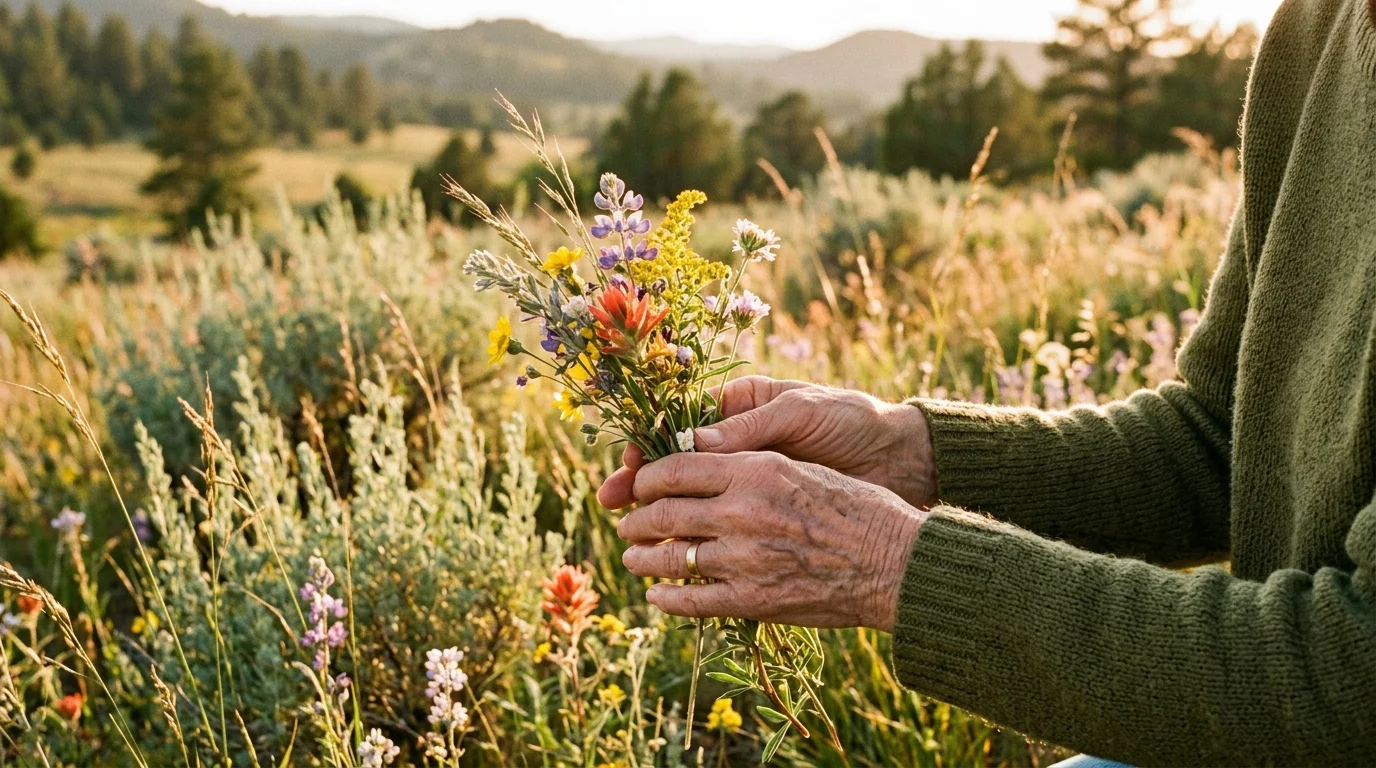
With 54% of adults over 75 living with arthritis, Prescott's monsoon pressure drops and winter cold mornings create seasonal pain patterns. Here's research-backed guidance for managing joint pain through all four Arizona seasons.
If you chose Prescott partly because of the climate, your joints likely thanked you. Mild summers, genuine but moderate winters, and low humidity make this one of the more comfortable places in the country for people living with arthritis.
But comfortable doesn't mean symptom-free. After treating arthritis patients here since 2015, I've seen clear seasonal patterns that repeat year after year. Understanding these patterns — and what the research says about managing them — gives you a real advantage over your pain.

And the numbers matter: CDC data (2024) shows that 53.9% of adults aged 75 and older have diagnosed arthritis. In a community like Prescott, where more than 40% of residents are over 65, that means arthritis management isn't a niche concern — it's a community-wide health priority.
Key Takeaways
- Barometric pressure correlates with OA pain (r = 0.35) — Prescott's monsoon season brings the most dramatic pressure shifts (PMC, 2023)
- Walking 6,000+ steps daily reduces arthritis-related disability risk by 16-18% per 1,000 steps
- Every pound lost removes 4 pounds of knee pressure (Arthritis Foundation)
- Tai Chi produces 32-36% improvement in pain, stiffness, and function
Does Weather Really Affect Arthritis? What the Science Says
A meta-analysis of 14 studies published in the International Journal of Biometeorology (2023) found that barometric pressure positively correlated with osteoarthritis pain (r = 0.35), temperature negatively correlated (r = -0.36), and humidity showed a weak positive correlation (r = 0.086). Thirteen of 14 studies confirmed that weather factors measurably influence OA symptoms.

That correlation of 0.35 is what researchers call "modest but consistent." Translation for Prescott residents: when a monsoon storm rolls in and the barometric pressure drops, the uptick in joint pain you feel isn't imaginary. It's measurable. It's real.
A 2025 meta-analysis in Autoimmunity Reviews confirmed similar patterns for rheumatoid arthritis — a weak negative correlation between temperature and tender joint count, and between atmospheric pressure and swollen joint count. The effects are modest but consistent across study designs.

In my Prescott practice, I don't need a study to confirm this. My phone rings more during monsoon season than any other time of year. Patients who've been managing well through spring and early summer suddenly call about flares in July and August — often before the afternoon storms even arrive. Their joints are barometers.
Spring in Prescott: Your Best Season for Building Habits
Spring (March through May) in Prescott is typically mild, dry, and barometrically stable — the ideal combination for arthritis. Temperatures range from 50-75°F with minimal humidity. Most of my arthritis patients report their lowest pain levels during this stretch.
This is your window to build exercise habits that carry you through tougher months. Research from Arthritis Care & Research found that each additional 1,000 steps per day was associated with a 16-18% reduction in functional limitation for knee OA patients. Walking 6,000+ steps daily was identified as the optimal protective threshold.
The Peavine Trail is perfect for this — flat, paved, and stretching over 6 miles through the Granite Dells. The Prescott Greenways offer accessible paths throughout town. Spring mornings on these trails, when the air is cool and the wildflowers are out, are about as good as arthritis-friendly exercise gets.
One spring caveat worth noting: juniper pollen peaks in February-March. If you have inflammatory arthritis like rheumatoid arthritis, allergen-driven systemic inflammation can sometimes intensify joint symptoms. An antihistamine may help more than you'd expect.
Why Is Monsoon Season the Hardest on Your Joints?
July through September is when most of my arthritis patients struggle the most. It's not the rain itself — it's the barometric pressure changes. Prescott's monsoon storms can cause rapid pressure drops over just a few hours, and the 2023 meta-analysis confirms this is exactly the type of weather pattern that correlates with increased OA pain.
Harvard Health reported that a study of 2,600+ citizen scientists with chronic pain found "modest relationships" between pain and higher humidity, lower atmospheric pressure, and higher wind speed — all three of which describe a Prescott monsoon afternoon perfectly.
Many patients describe a "pressure" or "tightness" in their joints that arrives before the storm clouds even build. They're not wrong. The research suggests joint tissues — synovial fluid, capsule, cartilage — respond to external pressure changes, and inflamed tissues respond more dramatically.
Monsoon management strategies:
- Don't stop exercising — gentle movement reduces stiffness even during flares. Walk in the morning before storms build.
- Apply heat to stiff joints in the morning, ice to swollen joints in the afternoon.
- Track your symptoms alongside weather using a pain diary or app. Knowing your triggers helps you plan ahead.
- Stay hydrated — monsoon humidity is higher, but you're still at 5,400 feet and losing water through respiration.
- Talk with your doctor about temporarily adjusting anti-inflammatory medication during peak monsoon weeks.
Summer Before Monsoon: Heat, Swelling, and Smart Timing
Early summer in Prescott (June through early July) brings warm, dry days in the mid-80s to low 90s — mild by Arizona standards, but warm enough to affect arthritic joints. Heat can increase swelling in already-inflamed joints, particularly in hands, ankles, and knees.
The strategy is simple: shift your activity to cooler hours. Early morning hikes on the Thumb Butte trail or evening walks around Goldwater Lake let you stay active without the midday heat that aggravates swelling.
Here's something that doesn't get discussed enough: summer heat in Prescott doesn't just affect your joints directly. It also reduces how much you move. You skip the afternoon walk because it's warm. You skip the garden because the sun is intense. That sedentary drift compounds over weeks, and by the time monsoon hits, you've lost conditioning that was protecting your joints. The patients who do best through monsoon are the ones who stayed active through June.
Hydration matters here too. Dehydrated joint cartilage doesn't cushion as well. The altitude-related water loss that affects everyone in Prescott hits arthritis patients especially hard.
How Should You Exercise with Arthritis in Prescott?
Exercise is the single most effective non-medication treatment for arthritis. But not all exercise is created equal when you're managing joint pain at altitude.
Walking remains king. The 6,000-step threshold from the Arthritis Care & Research study is achievable for most people — that's roughly 45-60 minutes of walking, which you can split across morning and evening.
Tai Chi deserves special attention. A meta-analysis of 7 randomized controlled trials (348 patients) found that Tai Chi produced 32-36% improvement in pain, stiffness, and physical function — exceeding the minimum clinically important difference of 16-18%. Twelve-week programs showed the strongest results. The Prescott Adult Center and James Family Prescott YMCA both offer classes.
Aquatic exercise is particularly valuable. A 2025 systematic review confirmed that aquatic exercise significantly improves balance, stiffness, pain, and walking ability versus non-exercise controls — with high adherence rates that make it especially suitable for older adults. Water unloads up to 90% of body weight from your joints. The Prescott YMCA offers warm-water classes, and the Prescott Valley Aquatic Center has dedicated programs.
Does Losing Weight Really Help Arthritis That Much?
The research here is unambiguous. Every pound of body weight you lose removes approximately 4 pounds of pressure from your knees, according to the Arthritis Foundation. Lose 10 pounds, and you've taken 40 pounds of compressive force off your knees with every step.
The numbers get even more striking with larger losses. The NIH-funded IDEA trial (2018) found that participants who lost 20% or more of their starting body weight reduced knee compressive forces by 533 Newtons — equivalent to roughly 120 pounds of pressure — compared to those who lost less than 5%.
And from the landmark Framingham Study: women of normal height who lost just 11 pounds reduced their risk of developing knee osteoarthritis by more than 50%, according to Johns Hopkins.
These aren't modest effects. For many patients, weight management is as effective as — or more effective than — medication for controlling arthritis symptoms.
Winter in Prescott: Cold Mornings, Comfortable Afternoons
Prescott winters are real but mild — overnight lows in the 20s and 30s with afternoon highs in the 50s. That morning cold can make joints noticeably stiffer, especially osteoarthritic hands and knees.
The research supports what patients already know: the 2023 meta-analysis found temperature negatively correlated with OA pain (r = -0.36), meaning colder temperatures are linked to more pain. But Prescott's winters are brief and moderate — nothing like a Midwest February.
Warm up gradually each morning. A warm shower, gentle stretching, or wrapping your hands around a hot coffee mug for a few minutes before getting active can meaningfully reduce morning stiffness. Layering clothes lets you adjust as Prescott's famous 30-degree daily temperature swings unfold.
Here's a pattern I've observed across hundreds of arthritis patients in Prescott: the ones who maintain their walking routine through winter — even shortening it to 20 minutes on cold mornings — experience dramatically less spring stiffness than those who hibernate. Winter inactivity creates a conditioning hole that takes weeks to climb out of. Even a short daily walk keeps the joint fluid moving and the muscles conditioned.
Can Diet Reduce Arthritis Inflammation?
A meta-analysis of 7 randomized controlled trials (326 participants) published in Nutrients (2021) found that anti-inflammatory diets resulted in significantly lower pain scores than standard diets. Mediterranean diets showed the strongest effect — approximately one-third the pain reduction benefit seen in methotrexate trials.
The key components aren't exotic: omega-3 fatty acids (salmon, walnuts, flaxseed), colorful vegetables, berries, turmeric, olive oil, and whole grains. Prescott's farmers markets — particularly the Saturday Prescott Farmers Market on the courthouse square — make sourcing fresh produce easy during growing season.
What to limit: processed foods, added sugars, red meat in excess, and alcohol. These can promote systemic inflammation that worsens joint symptoms. You don't need a perfect diet — just consistent choices that tilt the balance toward anti-inflammatory foods most days.
Arthritis and Fall Risk: A Connection Worth Knowing
This is something many arthritis patients don't realize: research shows that individuals with osteoarthritis experience 25% more falls than those without OA. Up to 50% of people with OA experience a fall every year. Symptomatic knee OA increases fall likelihood by 39%; hip OA increases it by 60%.
Joint pain changes your gait. Stiffness reduces your reaction time. Medication side effects can cause dizziness. These compound into a fall risk that's significantly higher than the general population — and at our median age of 60.3, fall prevention matters enormously.
Balance training (Tai Chi is excellent for this), proper footwear, removing home trip hazards, and staying active all reduce fall risk. If you're concerned about balance, talk with your doctor — a simple assessment can identify specific risks before they become a fall.
When to Adjust Your Arthritis Management Plan
Arthritis management isn't set-it-and-forget-it. Seasons change. Your body changes. What worked in spring may not be enough during monsoon season.
At Prescott Professional Healthcare, we treat arthritis as an ongoing conversation — not an annual checkup. As a Direct Primary Care practice, you can come in as often as you need without co-pays. That means we can adjust your pain management for monsoon season, check inflammation markers with labs, coordinate with rheumatologists when needed, and fine-tune your exercise plan as your fitness changes.
When your knee flares after a monsoon storm, you can call or text that same day — not wait two weeks for an appointment. That's the difference personalized medicine makes.
Become a member or contact us to start managing your arthritis with a physician who understands Prescott's seasons as well as you do.
Frequently Asked Questions
Does barometric pressure really affect arthritis pain?
Yes — a meta-analysis of 14 studies found barometric pressure positively correlated with osteoarthritis pain (r = 0.35), and 13 of 14 studies confirmed meteorological factors influence OA symptoms (PMC/International Journal of Biometeorology, 2023). Prescott's monsoon season brings the most dramatic pressure changes in Arizona.
What is the best exercise for arthritis at altitude?
Walking 6,000+ steps daily reduced functional limitation risk by 16-18% per 1,000 steps in knee OA patients (Arthritis Care & Research). Tai Chi produced 32-36% improvement in pain, stiffness, and function across 7 RCTs. Aquatic exercise at the Prescott YMCA is especially effective for those with severe joint limitations.
How much does weight loss help arthritis?
Significantly. Every pound of body weight lost removes 4 pounds of pressure from the knees (Arthritis Foundation). The Framingham Study found that women who lost just 11 pounds reduced their knee OA risk by more than 50% (Johns Hopkins). Losing 10-20% of starting weight produced the greatest pain and function improvements.
Is Prescott a good climate for people with arthritis?
Generally yes. Prescott's mild four-season climate with low humidity is easier on joints than extreme heat, cold, or high-humidity environments. The main challenge is monsoon season (July-September), when rapid barometric pressure drops can trigger flares. Year-round outdoor activity access is a significant advantage.
Does diet affect arthritis inflammation?
Yes. A meta-analysis of 7 RCTs found anti-inflammatory diets resulted in significantly lower pain than standard diets, with Mediterranean diets showing the strongest effect — approximately one-third the benefit of methotrexate (PMC/Nutrients, 2021). Omega-3s, colorful vegetables, and olive oil are key components.