
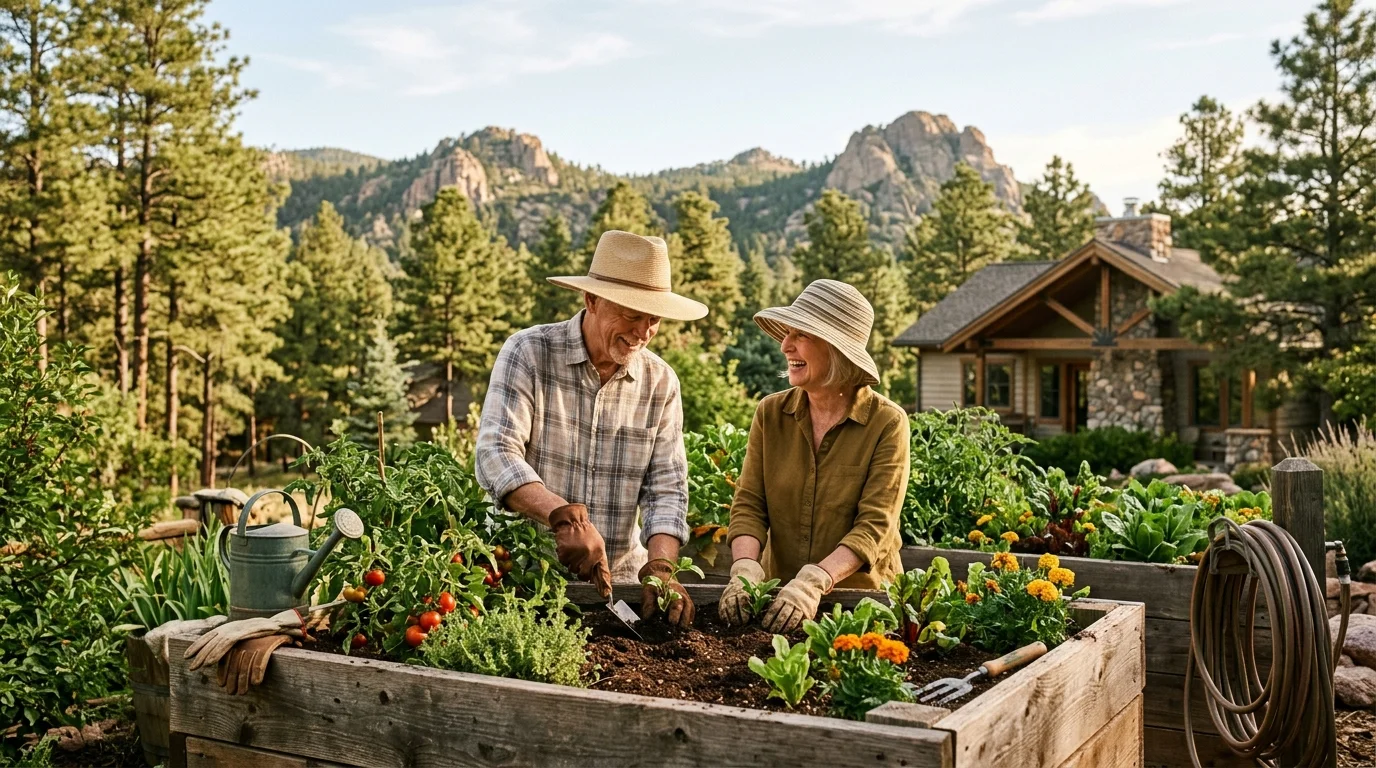
Gardeners have 28% lower odds of cognitive decline and significantly fewer falls than non-exercisers. At Prescott's altitude with 277 sunny days, your backyard garden might be the best medicine you're not taking.
Most people think of gardening as a hobby. A pleasant way to spend a morning. Maybe a source of tomatoes and a few zucchini you can't give away fast enough.
But the research tells a different story. Gardening is one of the most effective health interventions available to seniors — and at Prescott's 5,400-foot elevation with 277 sunny days a year, the conditions here amplify almost every benefit.
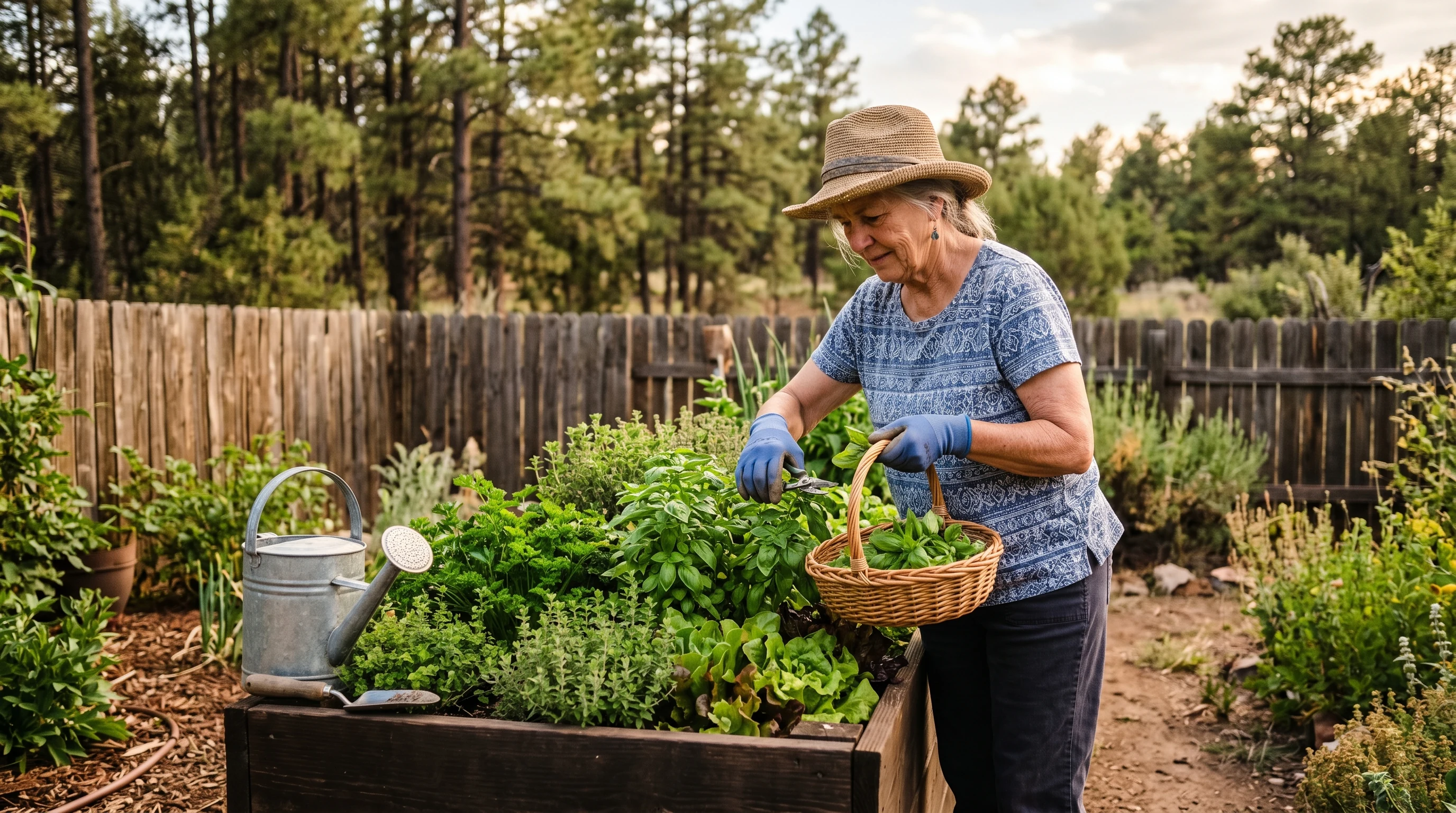
A 2024 study of 136,748 adults using CDC surveillance data found that gardeners had 28% lower odds of cognitive decline and 43% lower odds of cognitive-decline-related functional limitations compared to people who don't exercise at all. That's not a small effect. That's your garden bed outperforming many pharmaceutical interventions for brain health.
Key Takeaways
- Gardeners have 28% lower cognitive decline risk and 43% lower functional limitation risk (PMC, 2024)
- 30 minutes of gardening reduces cortisol more than 30 minutes of reading
- Gardening seniors report significantly fewer falls and better balance
- CDC classifies gardening as moderate-intensity exercise (200-400 cal/hour)
Is Gardening Really Exercise? What the CDC Says
The CDC classifies gardening as moderate-intensity physical activity, rating it at 3-5.9 METs — the same category as brisk walking. An hour in the garden burns 200-400 calories depending on the task. Digging and shoveling burn closer to the high end; weeding and pruning sit lower.
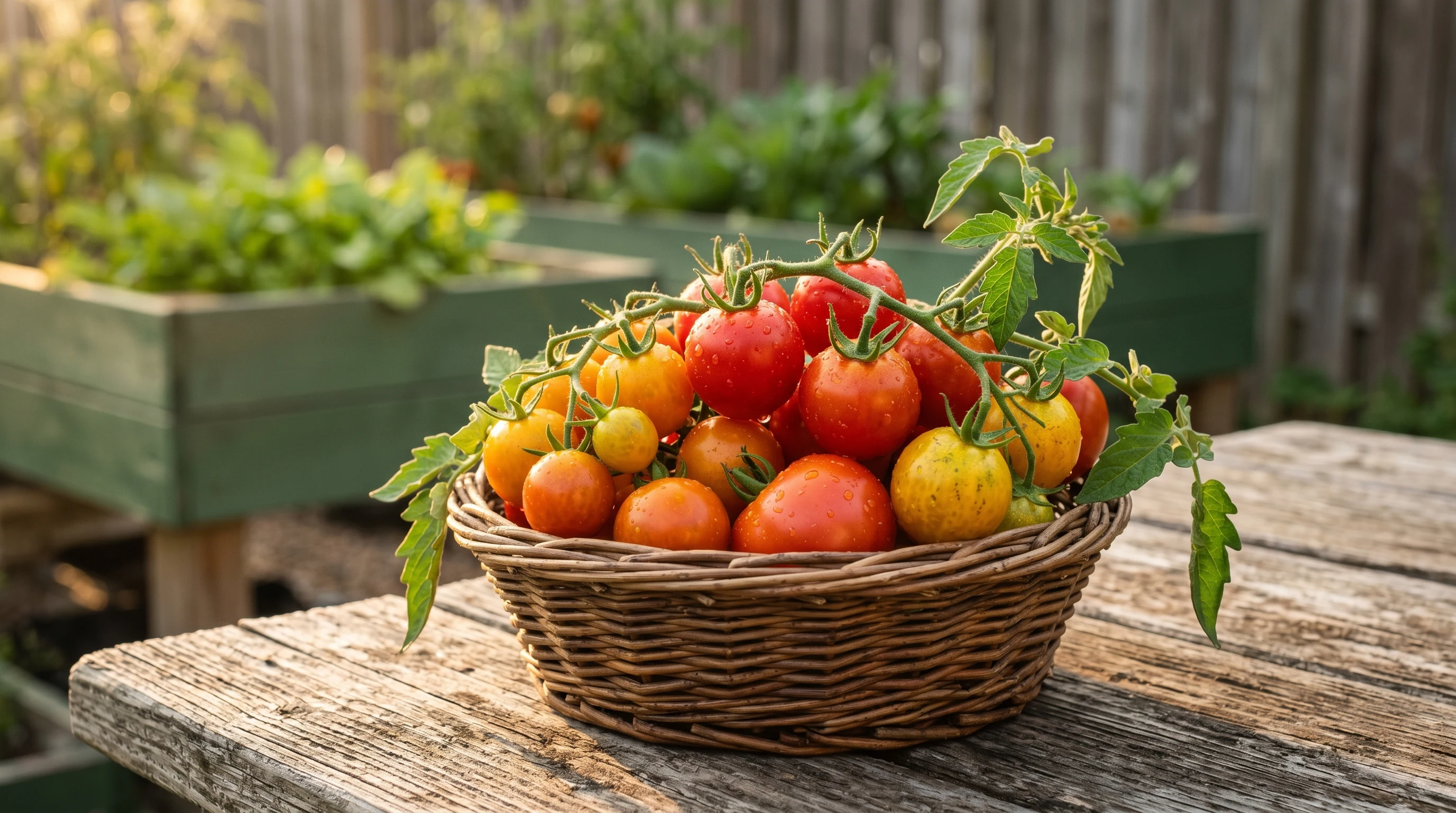
But here's what makes gardening different from a treadmill: it's functional fitness. You're squatting to pull weeds (lower body strength). Reaching overhead to prune (shoulder mobility). Carrying bags of soil (core stability). Gripping tools (hand strength). Walking back and forth (cardio). No single gym exercise hits this many muscle groups and movement patterns simultaneously.
A PLOS ONE meta-analysis (2022) quantified the physical benefits for older adults: horticultural therapy improved overall physical function (SMD 0.82), arm curl strength (SMD 1.07), flexibility via chair sit-and-reach (SMD 0.95), and even reduced BMI (SMD -0.30). These are large effect sizes — meaningful enough to change how you move through your day.
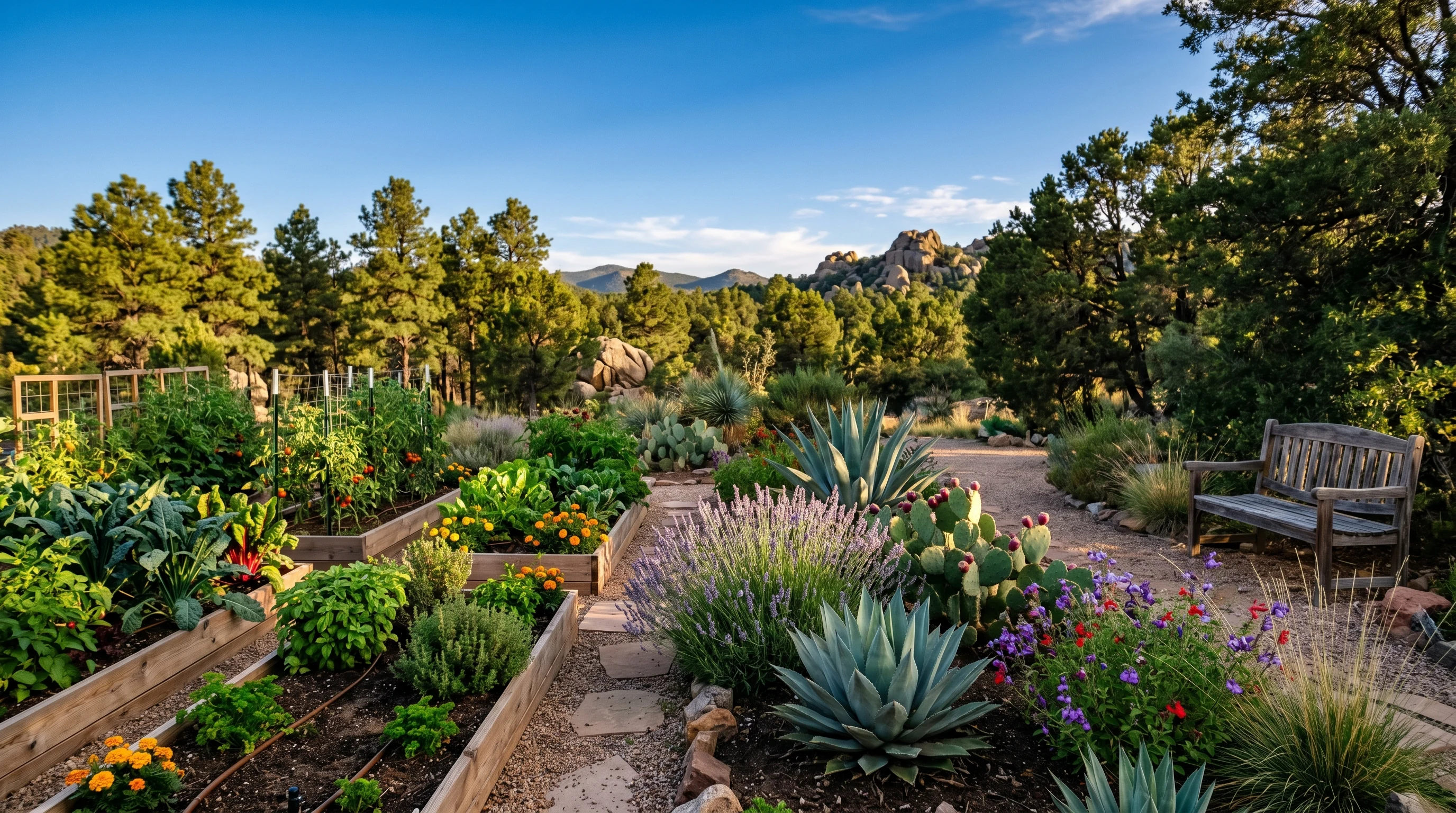
I've had patients who resisted structured exercise programs for years — wouldn't walk the Peavine Trail, wouldn't join a yoga class — who garden for two hours every morning without thinking of it as "exercise." The health benefits are the same. Sometimes better, because they actually stick with it.
Can Digging in Dirt Actually Protect Your Brain?
This might be the most compelling research in the field. The 2024 PMC study didn't just find that gardeners have better cognitive outcomes — it identified why. Through mediation analysis, researchers found the cognitive benefits of gardening were explained by three pathways: physical energy expenditure (39% of the association), reduction in depression (21.5%), and increased fruit and vegetable consumption (3.4%).
In other words, gardening protects your brain by simultaneously exercising your body, lifting your mood, and improving your diet. No single intervention does all three. Gardening does.
For Prescott's retirement community — where cognitive health is a top concern and the median age is 60.3 — this data is particularly relevant. A separate PLOS ONE review found horticultural therapy improved quality of life in older adults with mild Alzheimer's disease, with measurable increases in happiness scores.
What Does Gardening Do to Your Stress Hormones?
A landmark randomized controlled trial published in the Journal of Health Psychology (2011) put this to the test. Thirty allotment gardeners were given a stressful task, then randomly assigned to either 30 minutes of gardening or 30 minutes of indoor reading.
The results weren't subtle. Gardening produced significantly greater cortisol decreases than reading. Positive mood was fully restored after gardening but actually further deteriorated during reading. Thirty minutes. In the garden. That's all it took to reverse the physiological stress response.
A 2023 meta-analysis of 31 studies (1,036 participants) in Frontiers in Psychology confirmed the pattern at scale: horticultural therapy had a significant large effect on reducing psychological stress indicators (SMD = -0.73). The optimal dose? Between 100 and 500 total minutes — achievable in just a few weeks of regular gardening.
Here's something I find fascinating that the research doesn't fully explain: gardening reduces stress more effectively than other forms of outdoor leisure. It's not just being outside. There's something about the combination of purposeful physical work, connection to living things, sensory engagement (soil texture, plant scents, visual beauty), and the satisfaction of creating something that hits different neurological pathways than walking or sitting in nature. Prescott's gardening community understands this intuitively.
Why Do Gardeners Fall Less?
Falls are the leading cause of injury-related death in adults over 65. Any activity that reduces fall risk deserves attention.
A study of 3,237 adults aged 65 and older (Journal of Aging and Physical Activity, 2012) found that seniors who gardened at least one hour per week reported significantly fewer falls over the previous two years compared to non-gardeners. Gardeners also demonstrated better balance, faster gait speed, and fewer chronic conditions.
This makes intuitive sense. Gardening requires constant small balance adjustments — shifting weight while kneeling, standing from a squat, stepping over garden beds, carrying uneven loads. These are exactly the functional movements that train your balance system in real-world conditions, unlike standing on one foot in a gym.
In Prescott, where yards often include slopes, rocky terrain, and uneven ground, the balance training that comes from navigating your garden space translates directly to safer walking on trails and around town.
Gardening and Vitamin D: Prescott's Natural Advantage
A PMC study found that regular gardening reduced the likelihood of vitamin D deficiency by 38-54% — with gardeners showing 25-27% higher serum vitamin D levels than non-participants. Women who gardened had a deficiency odds ratio of 0.62; men had 0.46.
Prescott's 277 sunny days per year and outdoor-friendly climate make this benefit especially accessible. You don't need to plan a sun-exposure session — just go tend your raised beds. Twenty to thirty minutes of morning garden time gives your skin enough UV exposure for meaningful vitamin D production.
One important caution at 5,400 feet: UV radiation is roughly 25% stronger than sea level. Wear sunscreen on your face, neck, and ears. A wide-brimmed hat is essential. Garden in the morning or evening to avoid peak UV hours (10am-2pm) during summer. You can get your vitamin D and protect your skin — they're not mutually exclusive.
Gardening Against Loneliness
Social isolation is a genuine health risk for retirees. A 2022 PMC study found that therapeutic community gardening moved members from the "socially lonely" to "not socially lonely" category by the 3.3-year follow-up. Life satisfaction increased by 0.58 points. Remarkably, these improvements occurred during COVID-19 — a period when national wellbeing was declining.
Prescott has an active gardening community. The Yavapai County Master Gardeners program offers volunteer opportunities and education. The Prescott Farmers Market connects growers with neighbors. Even sharing surplus zucchini over the fence builds the kind of casual social bonds that research consistently links to better health outcomes.
If you're gardening alone, you're still getting physical, cognitive, and stress benefits. But if you can garden alongside others — a community plot, a neighbor's shared space, a garden club — you add the social dimension that multiplies the effect.
Practical Tips for Gardening at Prescott's Altitude
Gardening at 5,400 feet comes with a few unique considerations:
- Use raised beds. They reduce bending and kneeling strain, are easier to manage from a standing or seated position, and warm up faster in Prescott's cool spring mornings.
- Hydrate before, during, and after. You're losing extra water through respiration at altitude. Keep a water bottle at the garden edge — not inside the house where you'll forget it.
- Garden in the morning. Prescott's afternoon sun is intense at altitude, especially June through September. Morning gardening gets you the vitamin D benefit with less UV risk.
- Protect your skin. SPF 30+ sunscreen, a hat, and lightweight long sleeves. Every time. No exceptions at this elevation.
- Know your frost dates. Prescott's last frost is typically mid-May, first frost mid-October. The shorter growing season means choosing the right plants matters — talk to the Master Gardeners for local recommendations.
- Listen to your body. Digging at altitude requires more effort than at sea level. Take breaks. Sit on a garden stool. There's no prize for pushing through pain.
Your Garden as a Health Plan
When you look at the research as a whole, gardening isn't just pleasant — it's one of the most well-rounded health interventions available to seniors. It builds strength, balance, and flexibility. It protects your brain. It lowers your stress hormones. It gives you vitamin D. It connects you to community. And it feeds you better food.
At Prescott Professional Healthcare, we encourage every patient to find physical activity they'll actually do consistently. For many of our members, gardening is that activity. And with Direct Primary Care, you have a physician who can help you manage any health considerations — joint pain, sun exposure, hydration, medication interactions — that come with staying active in Prescott's unique climate.
Become a member or contact us. And when you come in for your visit, tell us what you're growing. We genuinely want to know.
Frequently Asked Questions
Does gardening count as exercise for seniors?
Yes. The CDC classifies gardening as moderate-intensity physical activity (3-5.9 METs), burning 200-400 calories per hour depending on the task. A PLOS ONE meta-analysis found horticultural therapy significantly improved physical function in older adults (SMD 0.82), including arm strength and flexibility.
Can gardening prevent cognitive decline?
Research strongly suggests yes. A 2024 PMC study of 136,748 adults found gardeners had 28% lower odds of subjective cognitive decline and 43% lower odds of cognitive-decline-related functional limitations compared to non-exercisers. The cognitive benefits were explained by energy expenditure (39%), depression reduction (21.5%), and increased fruit/vegetable consumption (3.4%).
Does gardening reduce stress?
Significantly. A landmark RCT found that 30 minutes of gardening after a stressful task reduced cortisol levels more effectively than 30 minutes of indoor reading (Journal of Health Psychology, 2011). A 2023 meta-analysis of 31 studies confirmed horticultural therapy reduces psychological stress with a large effect size (SMD = -0.73).
How does gardening help prevent falls in seniors?
A study of 3,237 adults aged 65+ found that seniors who gardened 1+ hours weekly reported significantly fewer falls over 2 years than non-gardeners. Gardeners also had better balance and gait speed. The squatting, reaching, and carrying involved in garden work build the same stabilizer muscles that prevent falls.
What should seniors watch out for when gardening at altitude?
At 5,400 feet, UV radiation is roughly 25% stronger than sea level — wear sunscreen, a hat, and protective clothing. Hydrate more aggressively than you would at lower elevations. Use raised beds to reduce bending stress. Garden in morning or evening to avoid peak afternoon heat and UV during summer.